The library
Everything written, in course order
40 lessons across 8 courses — roughly 30 hr 55 min of careful reading. Courses follow the Institute shape: one per volume of scripture, plus the doctrinal courses.
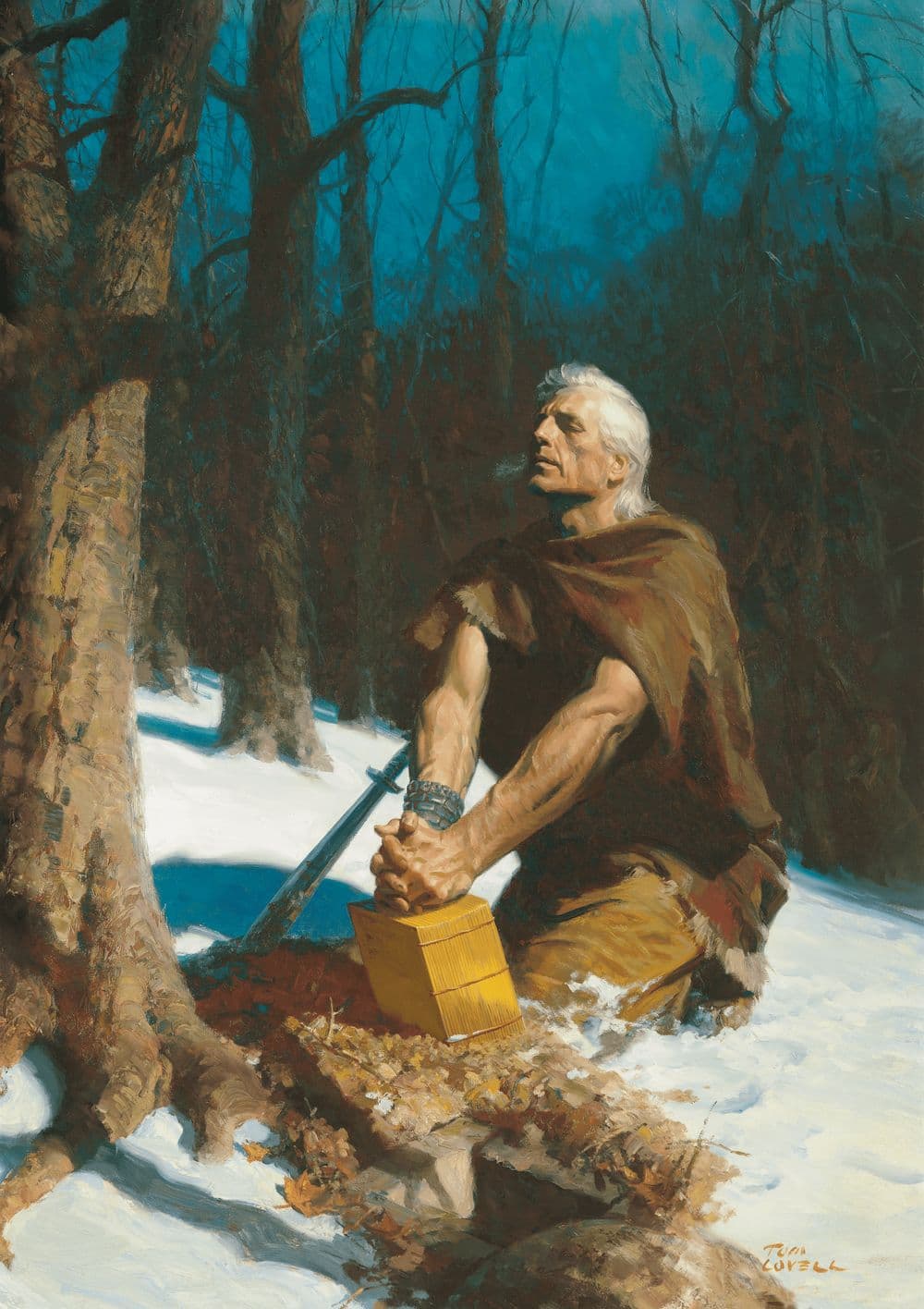
A record written for our day by prophets who saw it. These units work through the book's great doctrinal set pieces — the tree of life, the Fall and agency, King Benjamin's covenant, faith as an experiment, the demands of justice, and the Savior's visit at Bountiful.
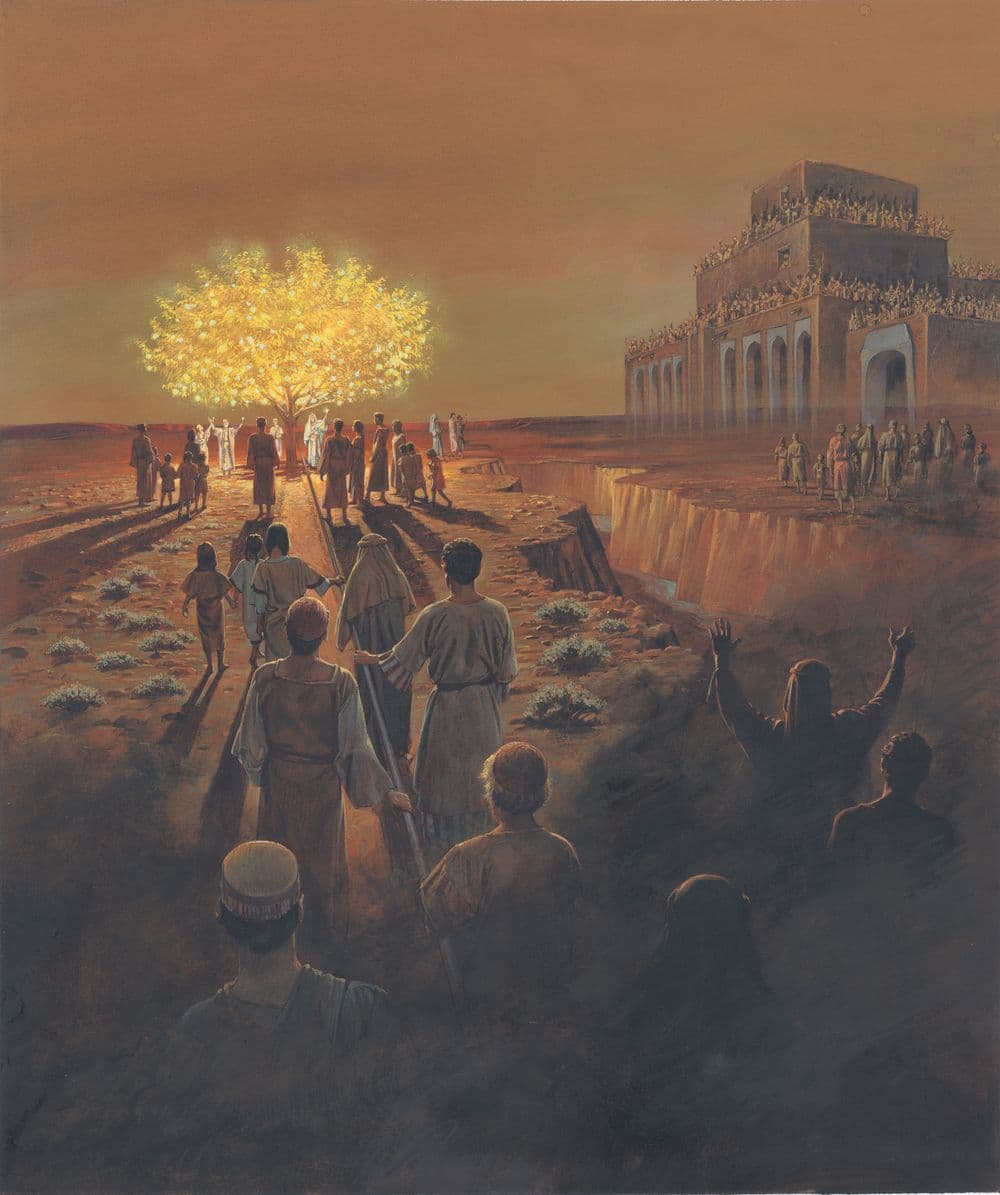
- The Tree, the Rod, and the BuildingLehi's dream and Nephi's interpretationA father's dream about a tree, and a son who asks what it means and is shown. The most systematically interpreted vision in scripture — and a map of discipleship that names four ways of approaching the same fruit.1 Nephi 8; 11–12; 1545 min
- Opposition, Agency, and the FallLehi's last words to JacobAn old man, dying, explains to a son born in the wilderness why there must be opposition, why Adam's transgression was a step forward, and why freedom is worthless without a Redeemer. One of the densest doctrinal chapters in scripture.2 Nephi 250 min
- The VineyardJacob 5, the longest chapter in the Book of Mormon, and the whole history of IsraelSeventy-seven verses of grafting, digging and pruning, quoted by Jacob from a prophet named Zenos who appears in no Bible. It is the scattering and gathering of Israel told as a single sustained allegory — and the Lord of the vineyard weeps in it twice.Jacob 5–6; Romans 11:16–24; 1 Nephi 10:12–1450 min
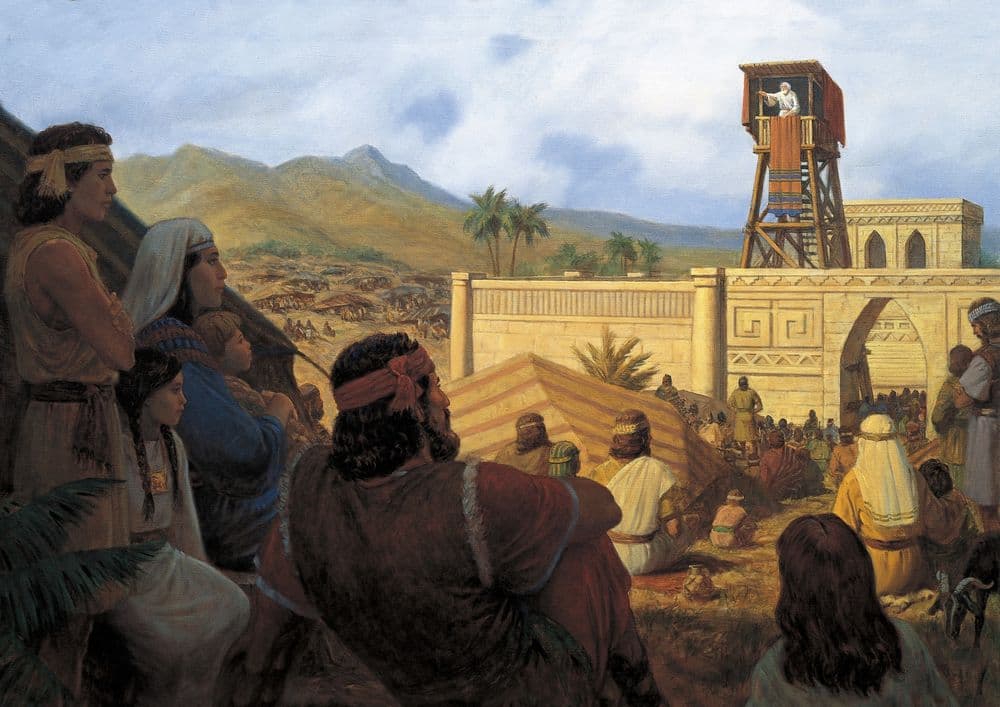
- The Natural Man and the New NameKing Benjamin's address at the templeA dying king gathers a nation to the temple, tells them what service is, what the natural man is, and what it costs to keep a remission of sins — and then gives them a name to bear.Mosiah 2–555 min
- Faith as an ExperimentAlma among the ZoramitesTurned out of their own synagogues for being poor, a group of Zoramites ask Alma what they should do. His answer is the most careful description of how faith actually works anywhere in scripture — and it is framed as a procedure, not a mood.Alma 32–3345 min
- Justice, Mercy, and an Infinite AtonementAmulek's argument, and Alma's answer to CoriantonTwo of the most rigorous chapters in scripture on why an atonement was necessary at all, why it had to be infinite, and how mercy can be extended without justice being cheated. Alma 42 is a father explaining it to a son who has failed badly.Alma 34; 42; Alma 7:11–1355 min
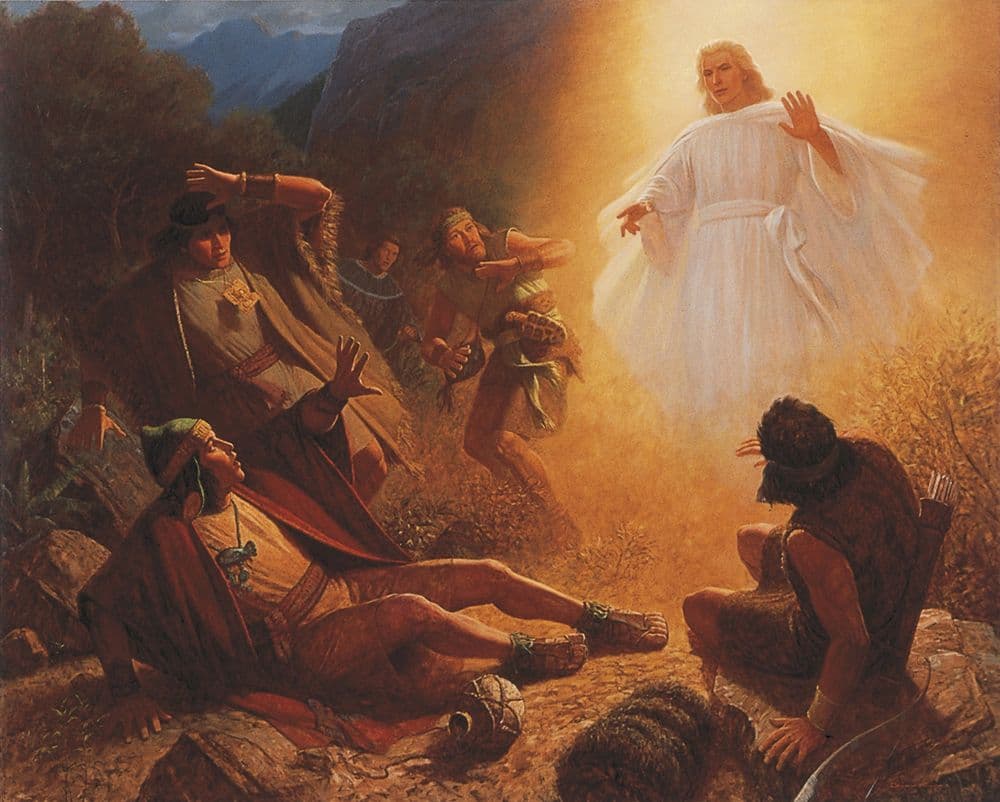
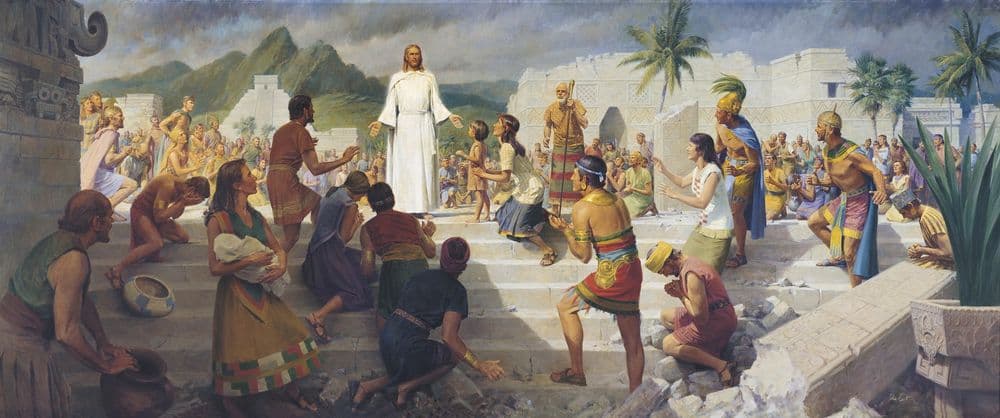
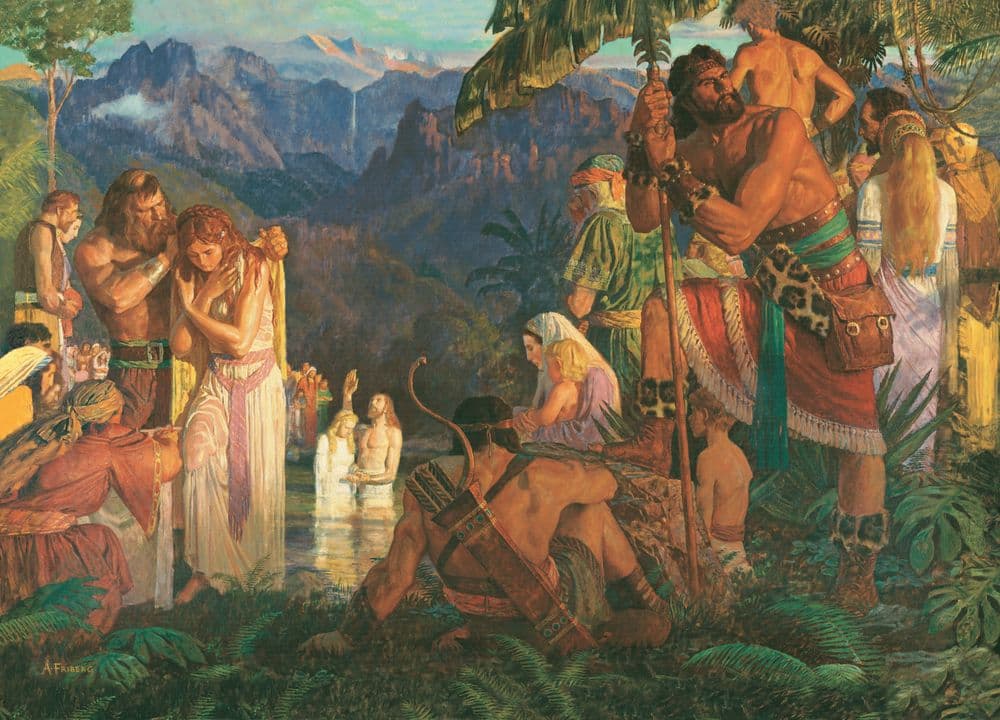
- One by OneThe Savior's appearance at BountifulThe chapter the whole book is built toward. A voice that cannot be understood until it is heard a third time, a descent, an invitation to touch, and then — before anything else — the manner of baptism and a prohibition on contention.3 Nephi 1145 min
- Charity, Discernment, and the PromiseMormon's sermon, and Moroni's farewellA sermon preserved by a son who watched his civilisation die, and a closing promise offered to a reader the writer would never meet. Between them: a workable test for distinguishing good from evil, and the definition of charity that surpasses 1 Corinthians 13.Moroni 7; 1045 min
Hebrew scripture read with the Restoration open beside it. Creation as organisation, the Fall as a step forward, the Abrahamic covenant as the spine of the whole canon, Passover as a rehearsal, and Isaiah's Servant seen four centuries before Calvary.
- In the BeginningGenesis 1–2 read with Moses and Abraham open beside itFour accounts of one creation, and a Hebrew text that never says God made the world out of nothing. What Genesis actually claims, what the Restoration adds, and why "organised" rather than "created from nothing" changes the doctrine of matter, spirit, and humankind.Genesis 1–2; Moses 2–3; Abraham 4–555 min
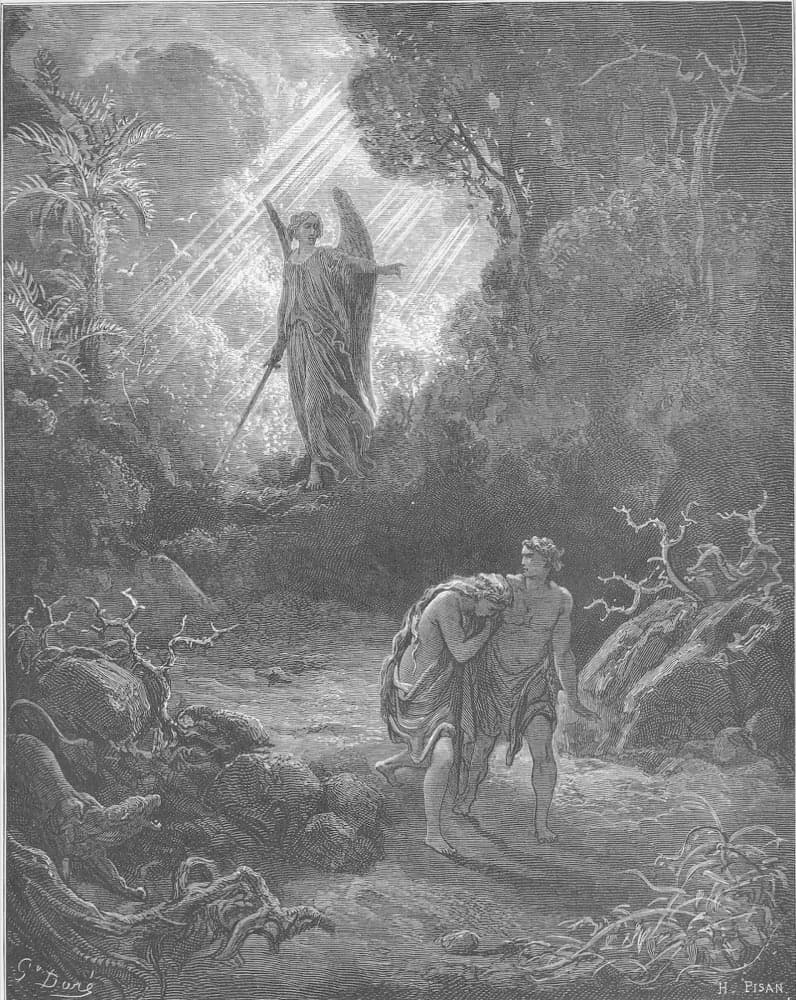
- The Garden and the ChoiceGenesis 3 with Moses 4 and 2 Nephi 2The chapter that historic Christianity reads as the origin of human ruin, and the Restoration reads as a necessary step. The Hebrew of Genesis 3 is stranger and more careful than either tradition's summary of it.Genesis 2:15–3:24; Moses 3–550 min
- The Covenant That Holds the Canon TogetherAbraham, and the promise made to himLand, seed, and blessing — three promises made to one childless man, renewed across four chapters, and still being carried out. Everything from Sinai to the modern gathering of Israel is a working-out of this covenant.Genesis 12; 15; 17; 22; Abraham 1–255 min
- A Lamb for a HousePassover, and the meal that keeps being keptA rite instituted on the last night of slavery, designed from the start to be re-enacted, and answered fourteen centuries later on a Friday afternoon in Jerusalem. The details are not decoration — nearly every one of them is claimed by the New Testament.Exodus 12; Luke 22; John 1945 min
- The Mountain and the CovenantExodus 19–24, and what a nation agreed toIsrael arrives at a mountain three months out of Egypt and is offered terms. The Ten Commandments are the famous part; the covenant ceremony around them is the part that explains what the commandments are for, and why a second, lesser law followed.Exodus 19–20; Exodus 24; Deuteronomy 5; JST Exodus 34:1–245 min
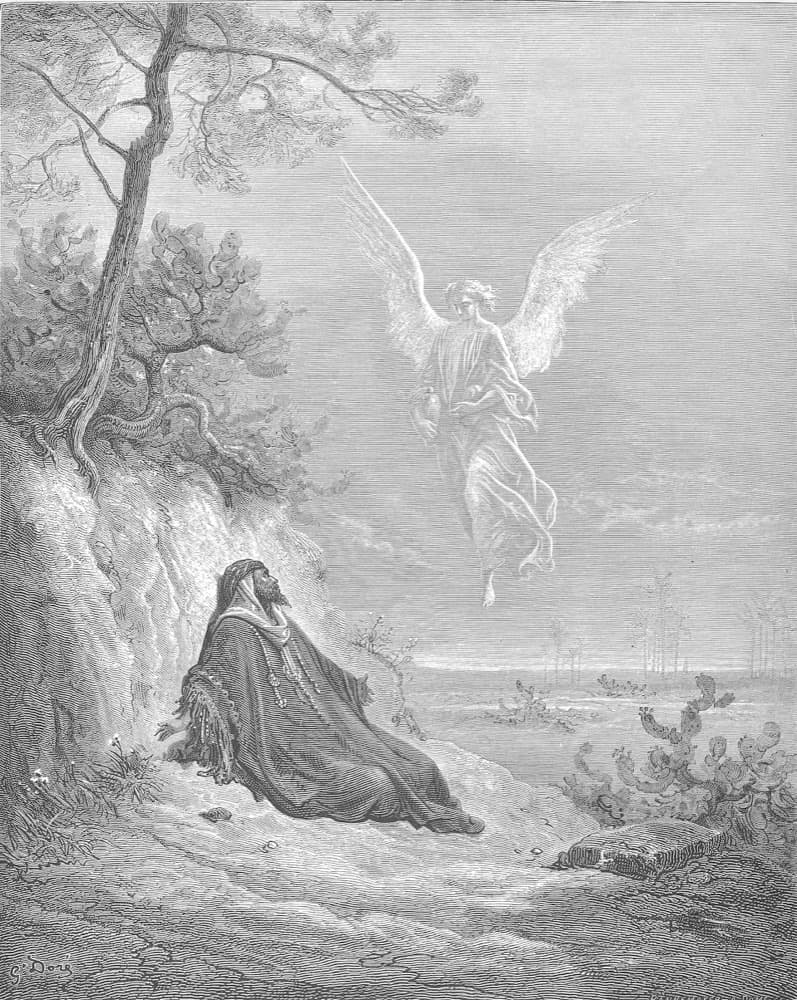
- A Sound of Thin Silence1 Kings 17–19, and what happened after the fire fellA prophet wins the most public contest in the Old Testament and then, the following day, sits under a juniper tree and asks to die. What God does about it is the reason this chapter is in scripture, and the Hebrew of the famous phrase is stranger than the English.1 Kings 17–19; Malachi 4:5–6; D&C 110:13–1640 min
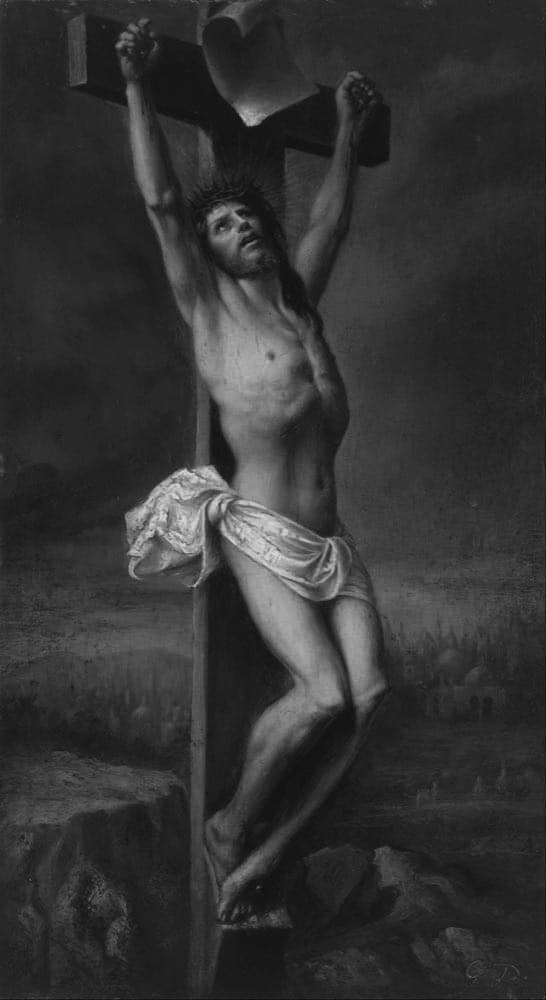
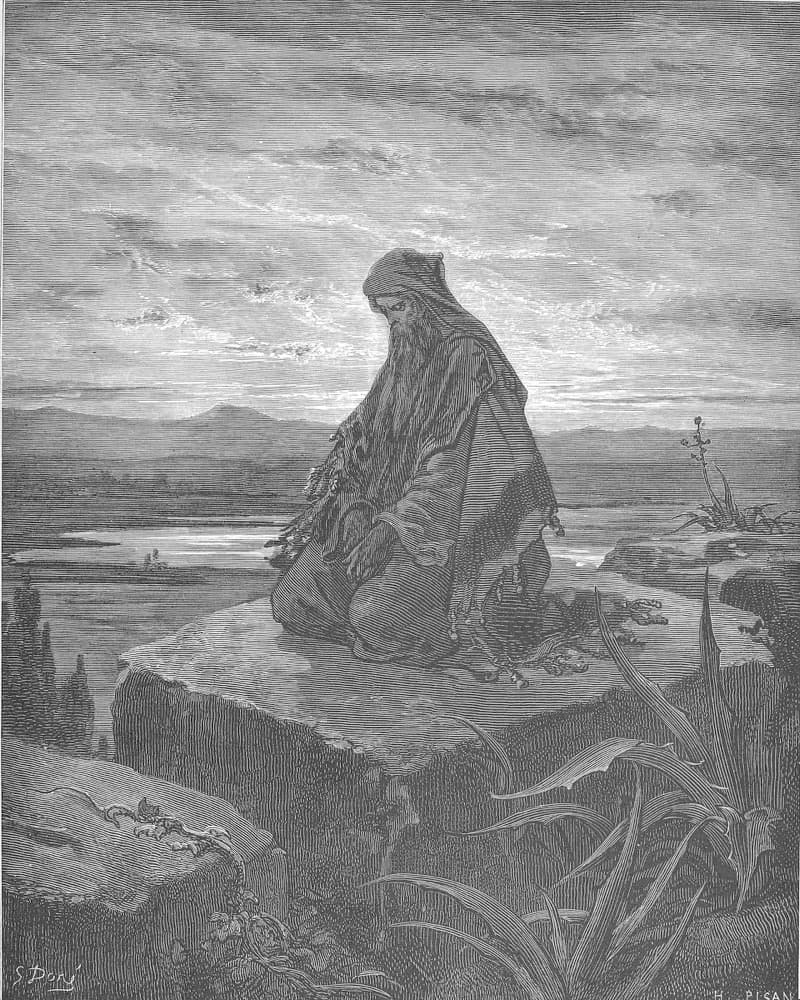
- The ServantIsaiah 52:13–53:12, and what the Hebrew actually saysFifteen verses written seven centuries before the crucifixion that read, to Christian eyes, like a report from the scene. The Hebrew is sharper than the King James, the Jewish reading deserves a hearing, and Abinadi's exposition adds something neither tradition supplies.Isaiah 52:13–53:12; Mosiah 14–15; Acts 8:26–3950 min
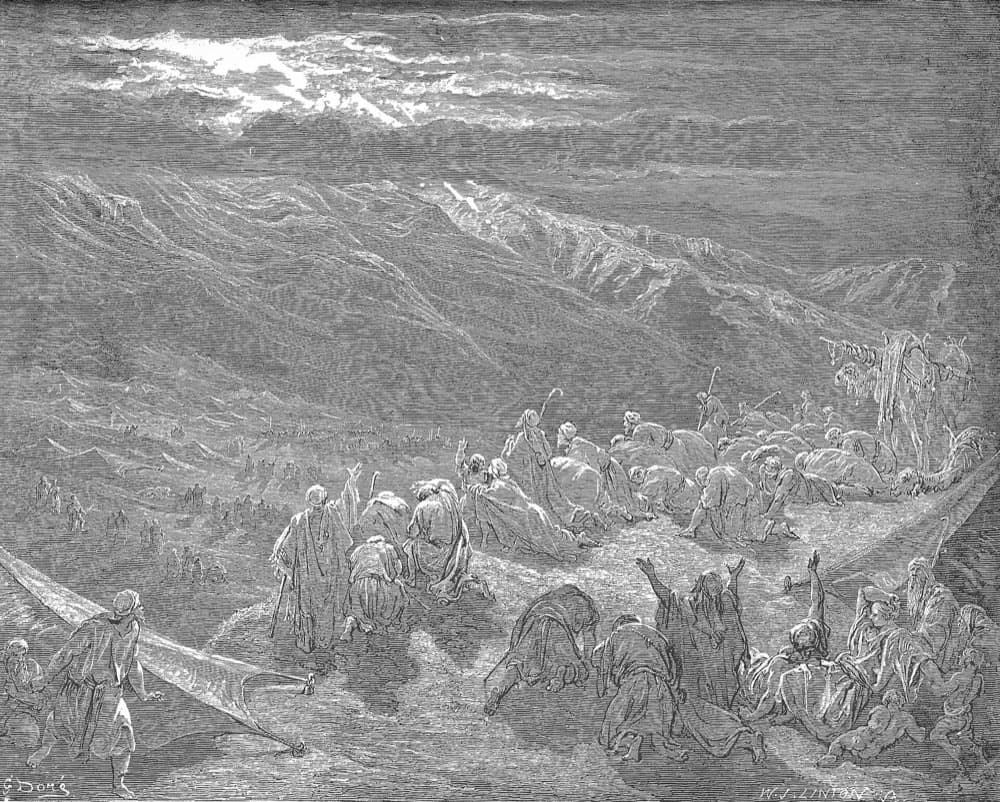
The Greek text at close range: John's prologue, the second birth, the Sermon on the Mount beside its Bountiful counterpart, the garden and the cross, and the long argument about grace and works that the New Testament never quite resolves — and did not mean to.
- The Word Made FleshJohn 1:1–18 in Greek, and D&C 93 as commentaryEighteen verses that set the terms for every later argument about who Jesus is. The Greek repays close reading, the Joseph Smith Translation reads them differently than any other tradition, and D&C 93 supplies what looks like an independent version of the same hymn.John 1:1–18; D&C 93:1–20; JST John 145 min
- Born of Water and of the SpiritNicodemus, at nightA member of the Sanhedrin comes after dark with a compliment and is answered with a demand. The Greek word at the centre of the conversation means two things at once, and the ambiguity is the teaching.John 3; Mosiah 27; Alma 540 min
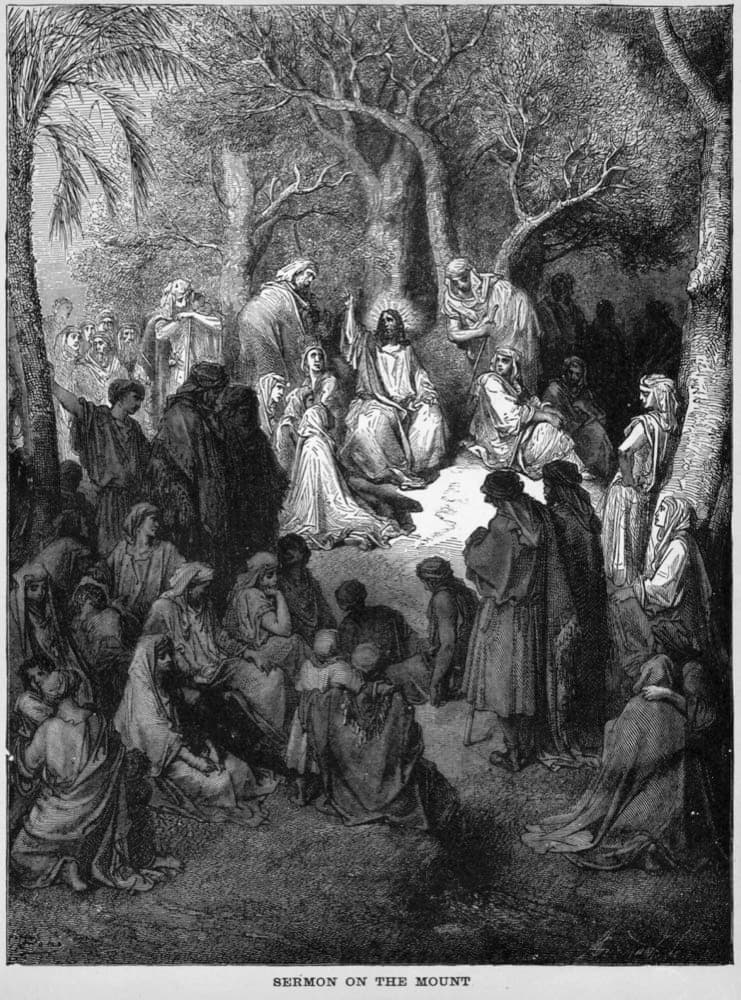
- The Sermon, TwiceMatthew 5–7 beside 3 Nephi 12–14The same sermon delivered in two hemispheres, and the differences between the two versions are small, deliberate, and doctrinally loaded. Read side by side, the Book of Mormon functions as a commentary on the Gospel.Matthew 5–7; 3 Nephi 12–1455 min
- Why He Spoke in ParablesMatthew 13, and a teaching method that sorts its own audienceA parable is not a simple story for simple people. It is a device that gives everyone the same words and lets them take away different amounts — and Matthew 13 has Christ say so, in a passage the King James makes sound considerably harsher than the Joseph Smith Translation does.Matthew 13; Mark 4:1–34; JST Matthew 13:10–11; Isaiah 6:9–1045 min
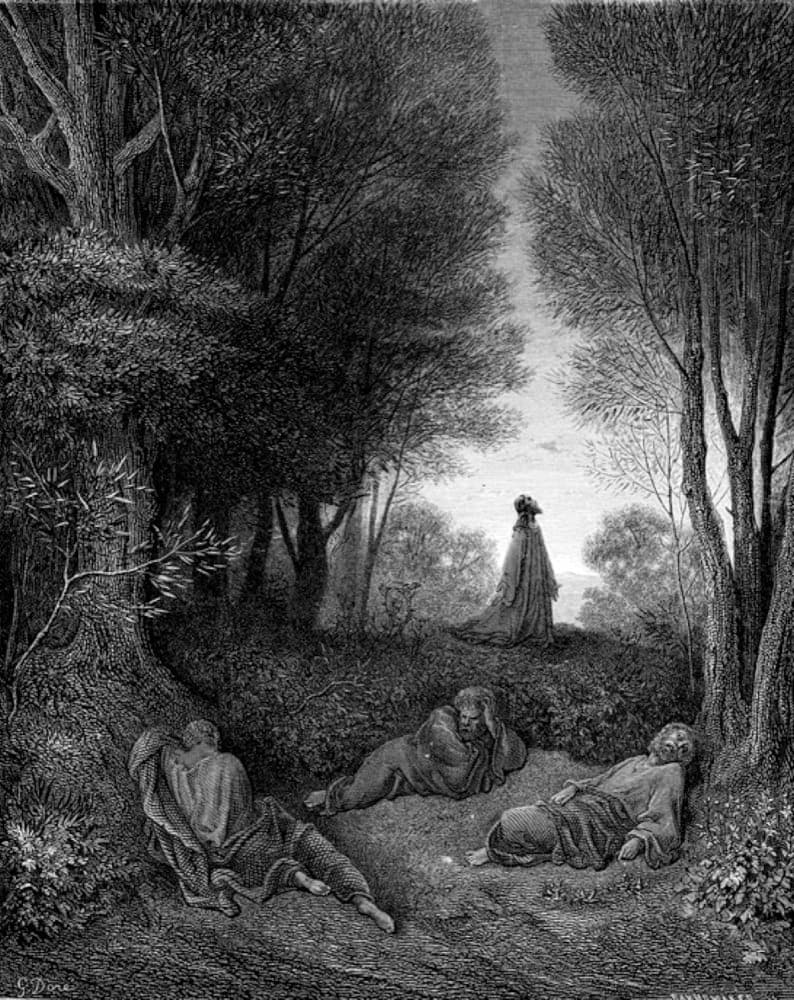
- The Oil PressGethsemane, the cross, and what the Greek recordsThree Gospel accounts, one of which contains a detail the earliest manuscripts dispute — and two Restoration texts that supply it independently. The most closely examined half-hour in scripture.Matthew 26:36–46; Mark 14:32–42; Luke 22:39–46; D&C 19:15–2450 min
- Grace, Works, and a PrepositionPaul, James, and 2 Nephi 25:23The oldest argument in Christianity, and the one Latter-day Saints are most often accused of getting wrong. The Greek is more interesting than either side of the usual debate, and one small English word in the Book of Mormon has caused a great deal of unnecessary anguish.Romans 3–5; Ephesians 2; James 2; 2 Nephi 25; Moroni 1050 min
Revelation with a date and a place attached. The Lord's own preface to His book, the vision of the degrees of glory, the Olive Leaf and the light that fills immensity, the Word of Wisdom read in its 1833 setting, and the letter from Liberty Jail.
- The Lord's Own PrefaceDoctrine and Covenants 1A book of revelations that opens with a revelation about itself — including an admission most scriptures never make: that these words were given to weak men, in their own language, so they could understand.D&C 135 min
- The VisionDoctrine and Covenants 76, and the end of a two-destination heavenTwo men translating a single verse of John are shown the structure of the next life. The result dismantled the heaven-or-hell binary of nineteenth-century Christianity, and some early Saints could not accept it.D&C 76; 1 Corinthians 15:40–42; D&C 88:20–2450 min
- The Oath and the CovenantD&C 84, priesthood, and the promise attached to itThe revelation that explains what priesthood is actually for — not administration but access — and then attaches to it the most expansive promise in the Doctrine and Covenants, along with a warning that is just as expansive.D&C 84:19–48; Hebrews 7:11–28; Exodus 33:20; JST Exodus 34:1–245 min
- The Olive LeafDoctrine and Covenants 88 — light, law, and a house of learningJoseph Smith called it "the olive leaf... plucked from the Tree of Paradise, the Lord's message of peace to us." It is also the most ambitious revelation in the book: a physics of light, a theory of law, and an instruction to build a school.D&C 8845 min
- A Principle with PromiseThe Word of Wisdom, in its own words and in its own centuryA short revelation given "not by commandment or constraint" that became, ninety years later, a requirement for temple attendance. Reading it in its 1833 setting explains both what it says and how it came to be applied as it now is.D&C 8935 min
- Liberty JailDoctrine and Covenants 121–123A prophet in a freezing basement cell writes a letter that begins with a complaint against God and ends with the most searching passage on the use of authority in the Latter-day Saint canon.D&C 121–12345 min
- The Redemption of the DeadD&C 138, and what Christ did between Friday and SundayAn old man, six months from his own death and having buried a son that year, reads three verses in 1 Peter over and over and is shown what happens in the spirit world. It answers the oldest objection to Christianity — what about everyone who never heard — with an organisation chart.D&C 138; 1 Peter 3:18–20; 1 Peter 4:6; Alma 40:11–1440 min
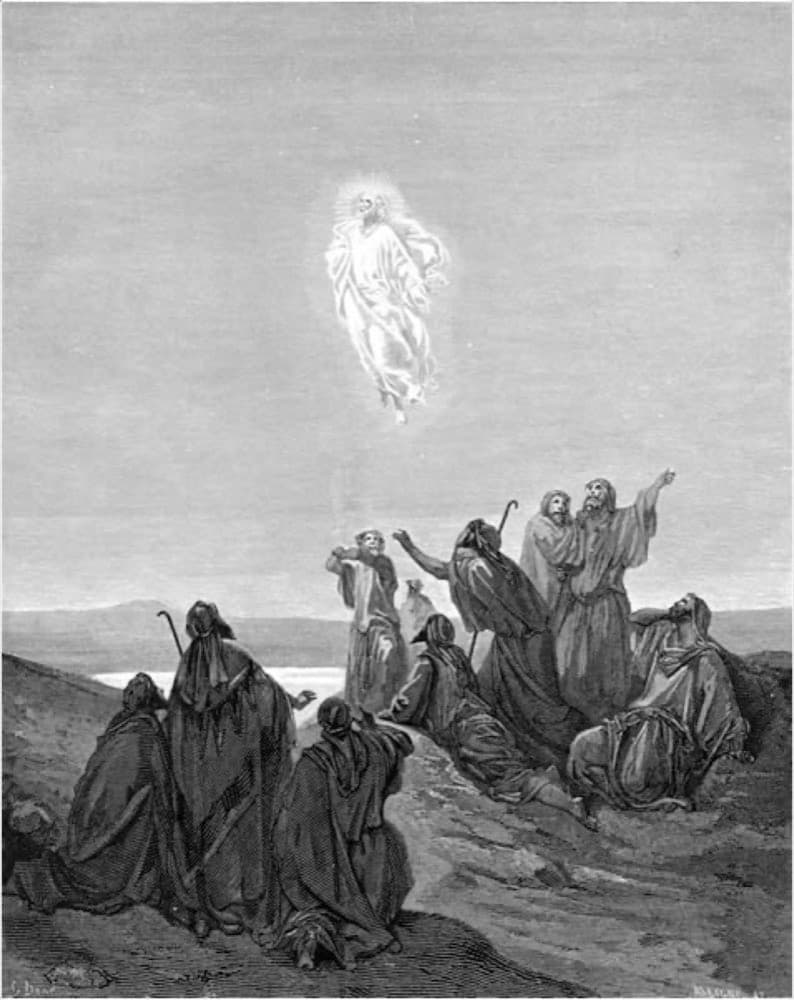
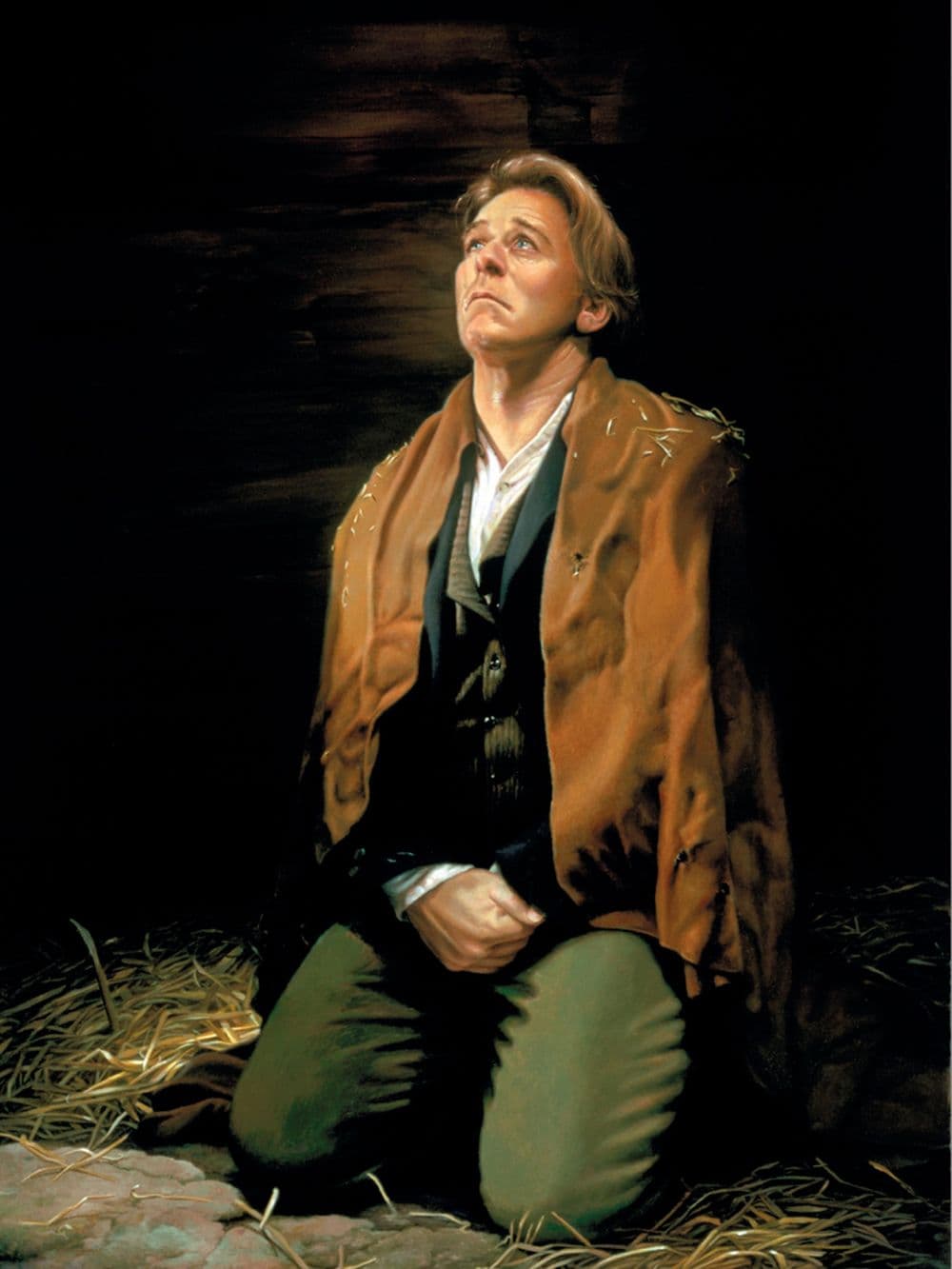
The smallest volume of scripture and the one that reframes the most. Moses sees the worlds and is told God's whole purpose in a sentence; Abraham is shown the intelligences and the council; and a fourteen-year-old boy walks into a grove.
- Moses Sees the WorldsMoses 1, and a single verse that reorganises everythingA chapter that did not exist in any Bible before June 1830. Moses is shown the whole creation, collapses under the weight of it, is confronted by Satan, throws him out, and is then told God's entire purpose in one sentence. It is also the doorway the rest of the Pearl of Great Price walks through.Moses 1; compare Exodus 3; Genesis 1:145 min
- The God Who WeepsMoses 7, Enoch, and a city that was taken upGenesis gives Enoch four verses. The Book of Moses gives him a chapter, and in it Enoch sees God cry, asks Him how that is possible, and receives an answer that is one of the most consequential passages in Latter-day Saint scripture.Moses 7; Genesis 5:21–24; Hebrews 11:5; D&C 38:440 min
- The Intelligences and the CouncilAbraham 3, and the two questions it answersAbraham is shown the stars, then told that the same ordering applies to spirits, then shown a council at which mortality was proposed and two answers were given. It is the most complete account of premortal existence in scripture, and it comes with a genuinely difficult provenance that this lesson does not skip.Abraham 3; compare Moses 4:1–4; D&C 93:2950 min
- Joseph Smith—HistoryReading the 1838 account as the document it isThe canonised account of the Restoration's first decade, dictated in 1838 for a specific purpose and audience. Read as a document — with its date, its occasion and its intended readers in view — it is both more interesting and more defensible than it is when read as a neutral chronicle.Joseph Smith—History 1; compare James 1:5; Malachi 4:5–6; Acts 2:17–2145 min

A doctrinal course rather than a book study. Who He is, by every name scripture gives Him; what His descent cost; and the doctrine of Christ stated in the plainest terms the canon contains.
- By Every NameThe titles of Christ, and what each one is forScripture never settles on one name for the Savior, and the variation is not decoration. Each title states a relationship, a function or a claim — and several of them are the sharpest doctrinal statements in the canon, hiding in plain sight as terms of address.Isaiah 9:6; Mosiah 3:8; Revelation 1:8; John 8:58; Alma 5:4845 min
- The Condescension of God1 Nephi 11, Philippians 2, and how far down He cameAn angel asks Nephi whether he knows the condescension of God, and Nephi says he does not. The answer he is given is not a definition but a series of pictures — a virgin, a child, a ministry, a cross — and the Greek of Philippians 2 supplies the verb the whole doctrine turns on.1 Nephi 11:13–33; Philippians 2:5–8; D&C 88:6; Mosiah 3:5–845 min
- The Doctrine of Christ2 Nephi 31–32 and 3 Nephi 27, where the gospel is stated in the plainest terms the canon containsTwice the canon stops and says, in effect: this is the doctrine, and anything more or less than this is not of me. Nephi says it at the end of his record and the Savior says it Himself at Bountiful. Between them they define the gospel as five things, in an order, with an endpoint.2 Nephi 31–32; 3 Nephi 11:31–41; 3 Nephi 27:13–2245 min
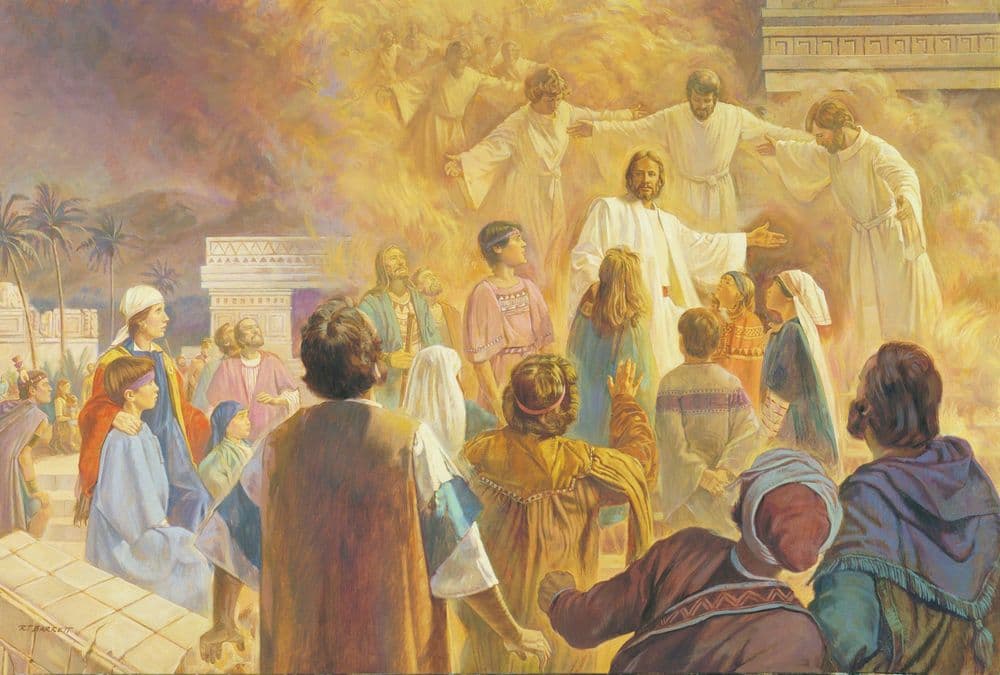
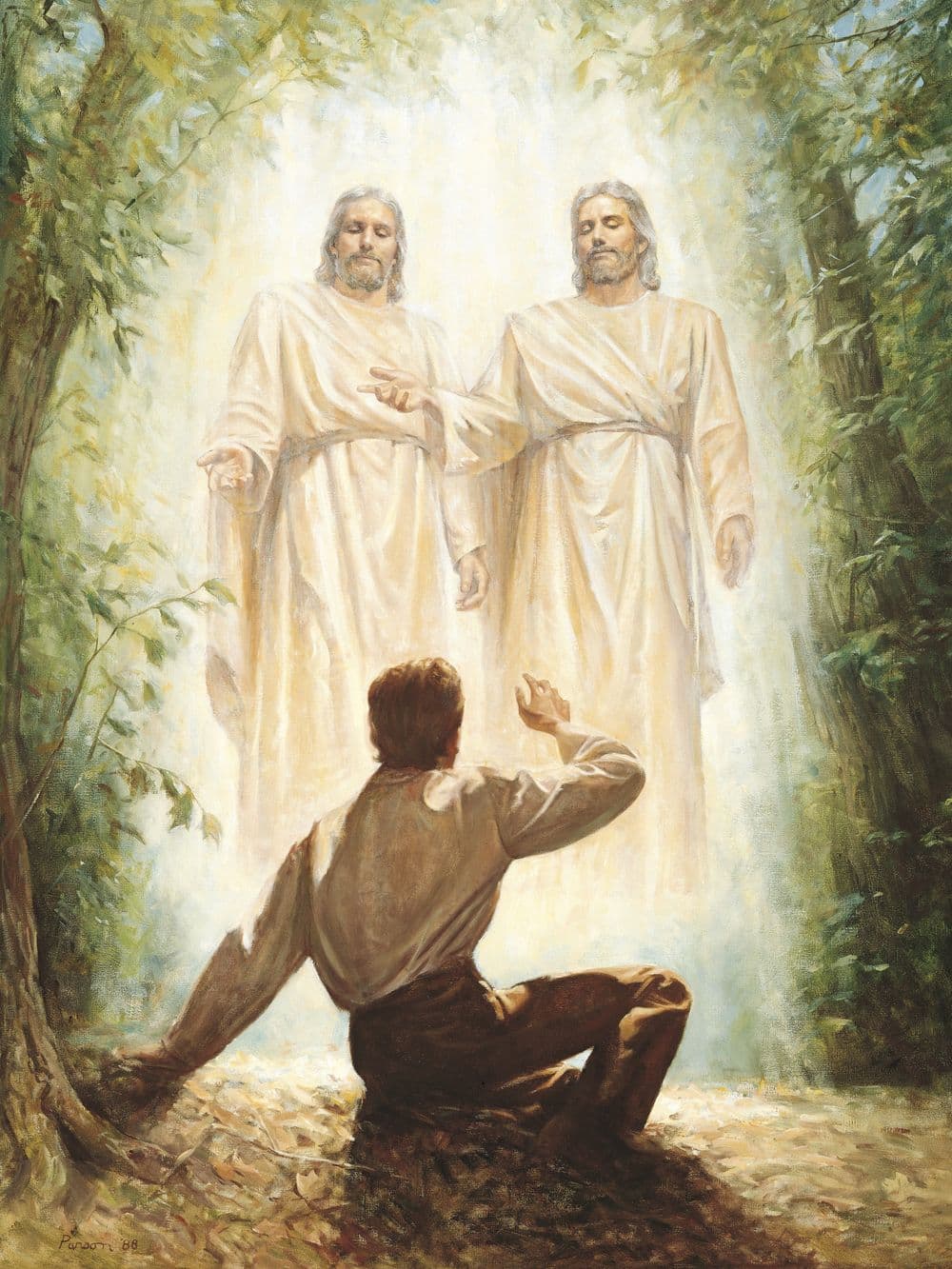
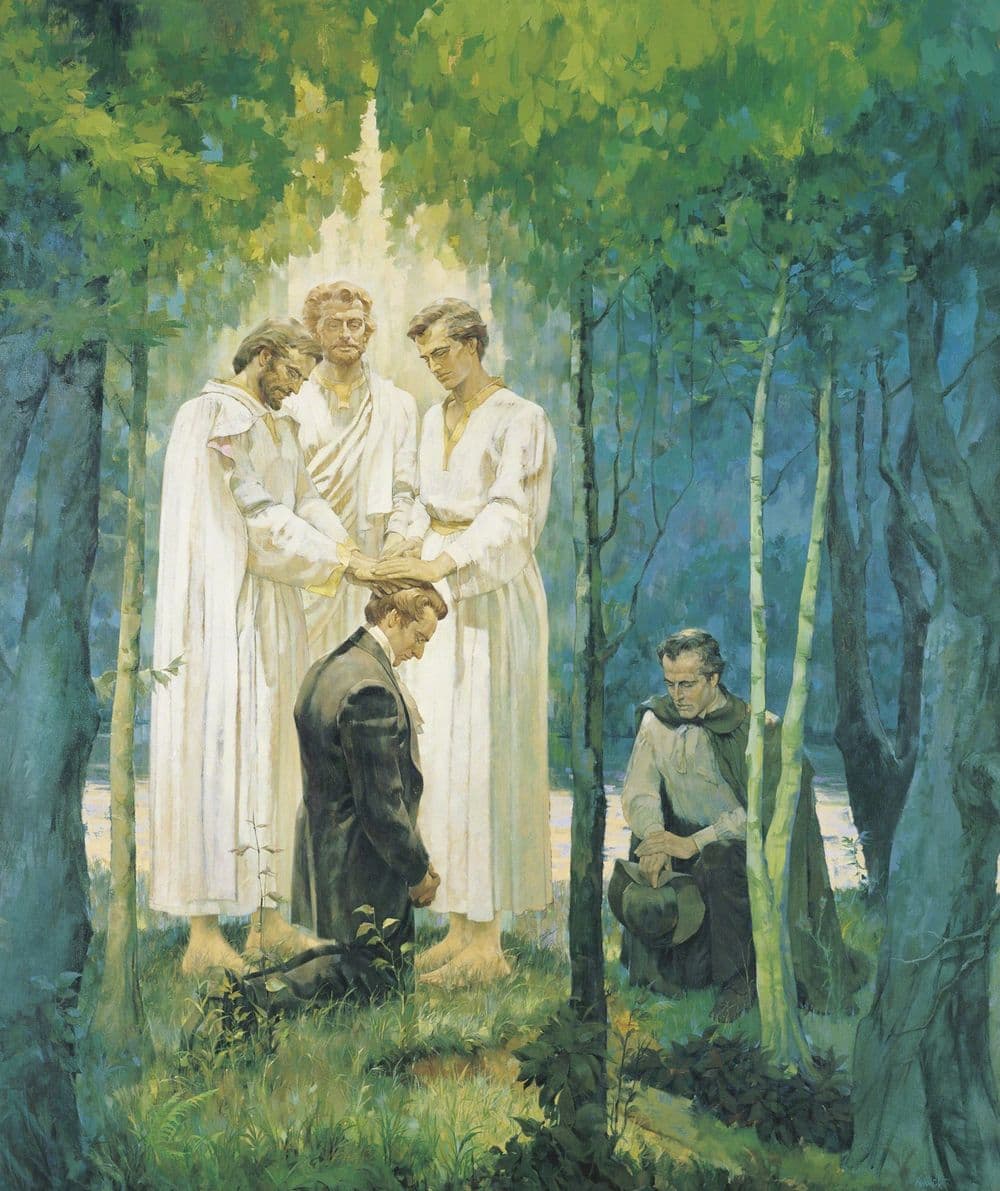
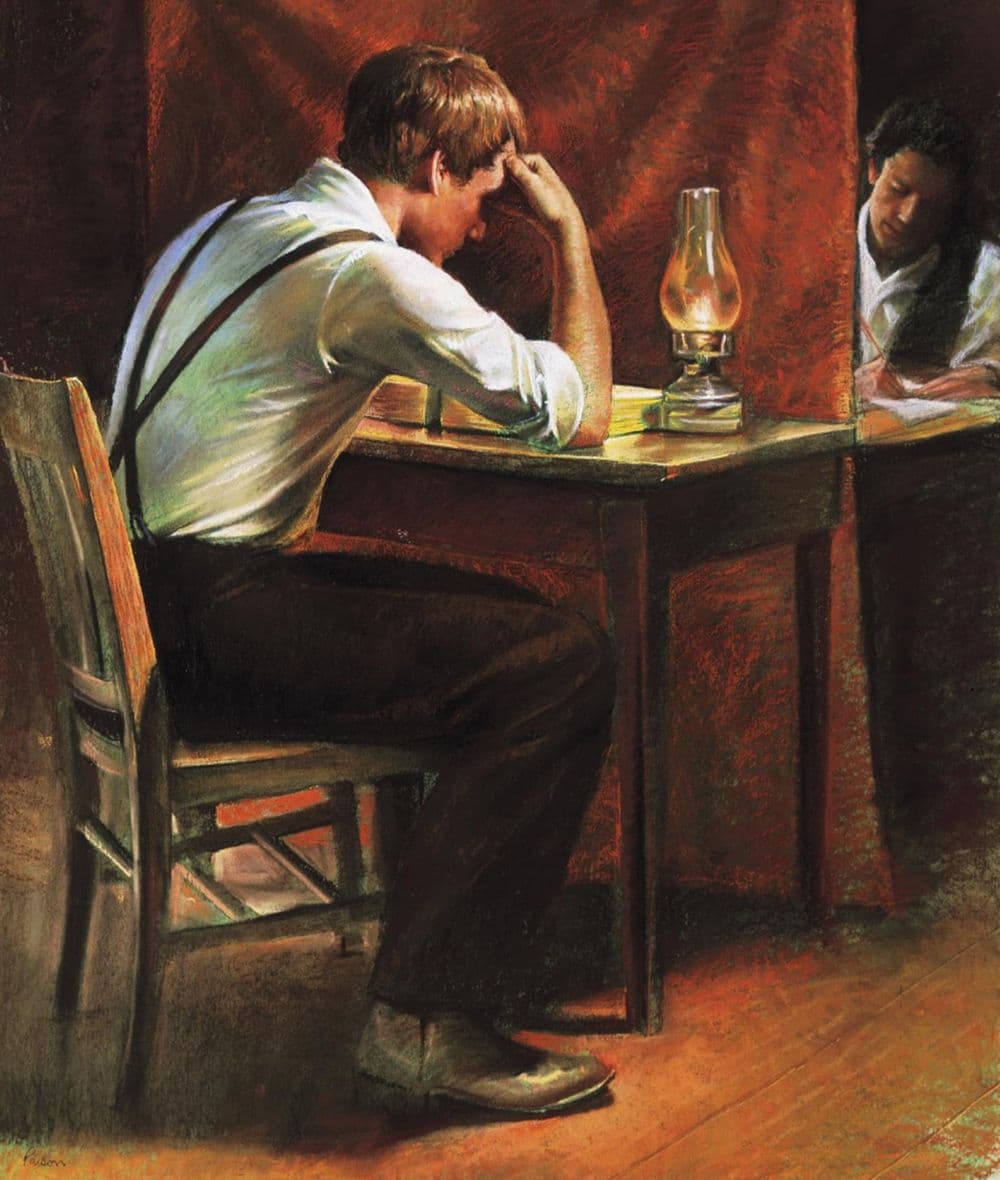
The historical spine, told with the documents in view — the several First Vision accounts and what each contributes, the restoration of priesthood authority, and the coming forth of the Book of Mormon with its witnesses and its problems.
- Four Accounts of One MorningThe First Vision, read the way historians read itThere is not one account of the First Vision; there are four in Joseph Smith's own voice and at least five more from people who heard him tell it. They differ, and the differences are the most interesting thing about them. This lesson lays them side by side and says plainly what agrees, what does not, and what follows.Joseph Smith—History 1:5–20; James 1:5–6; Acts 26:12–1950 min
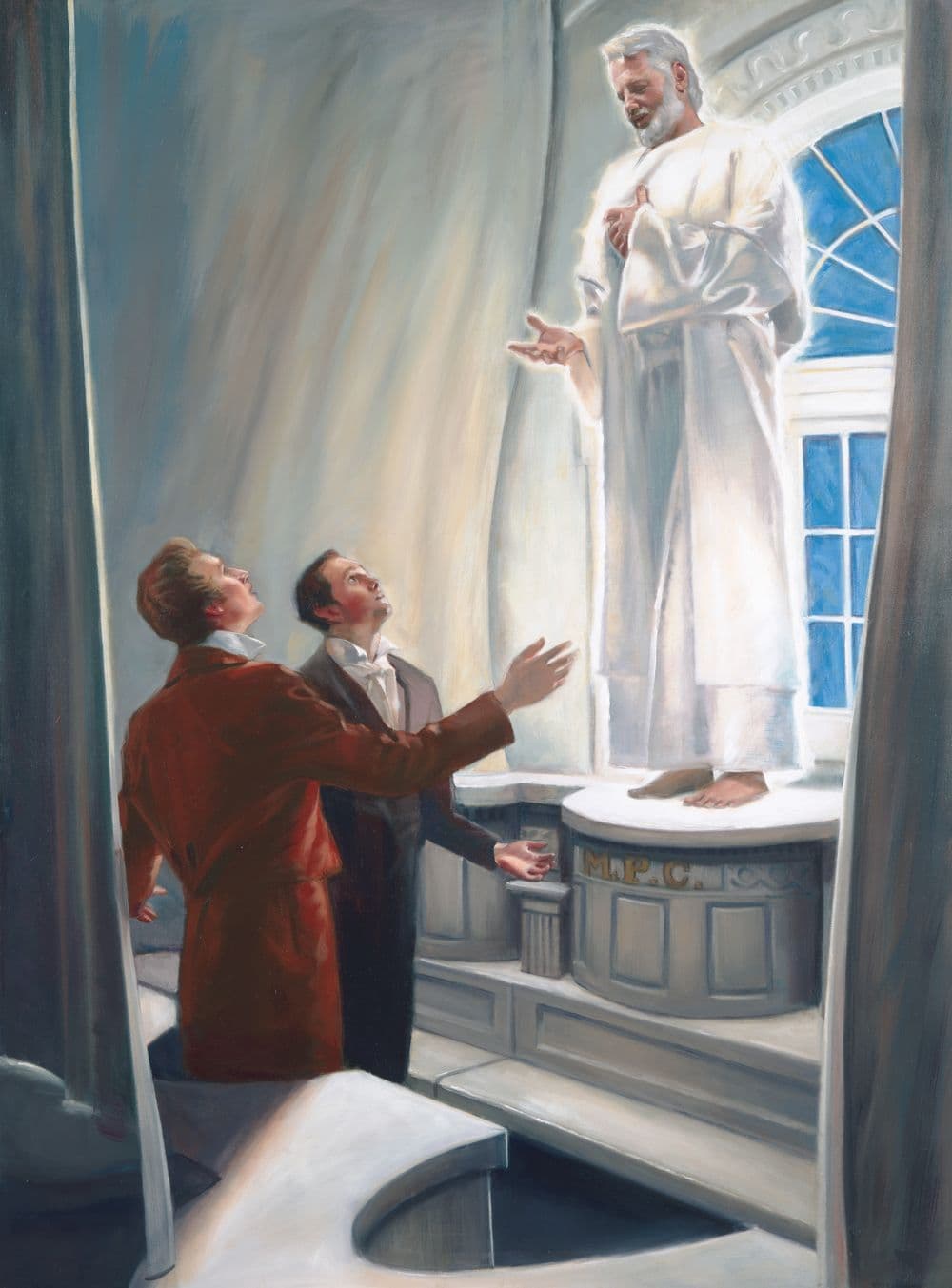
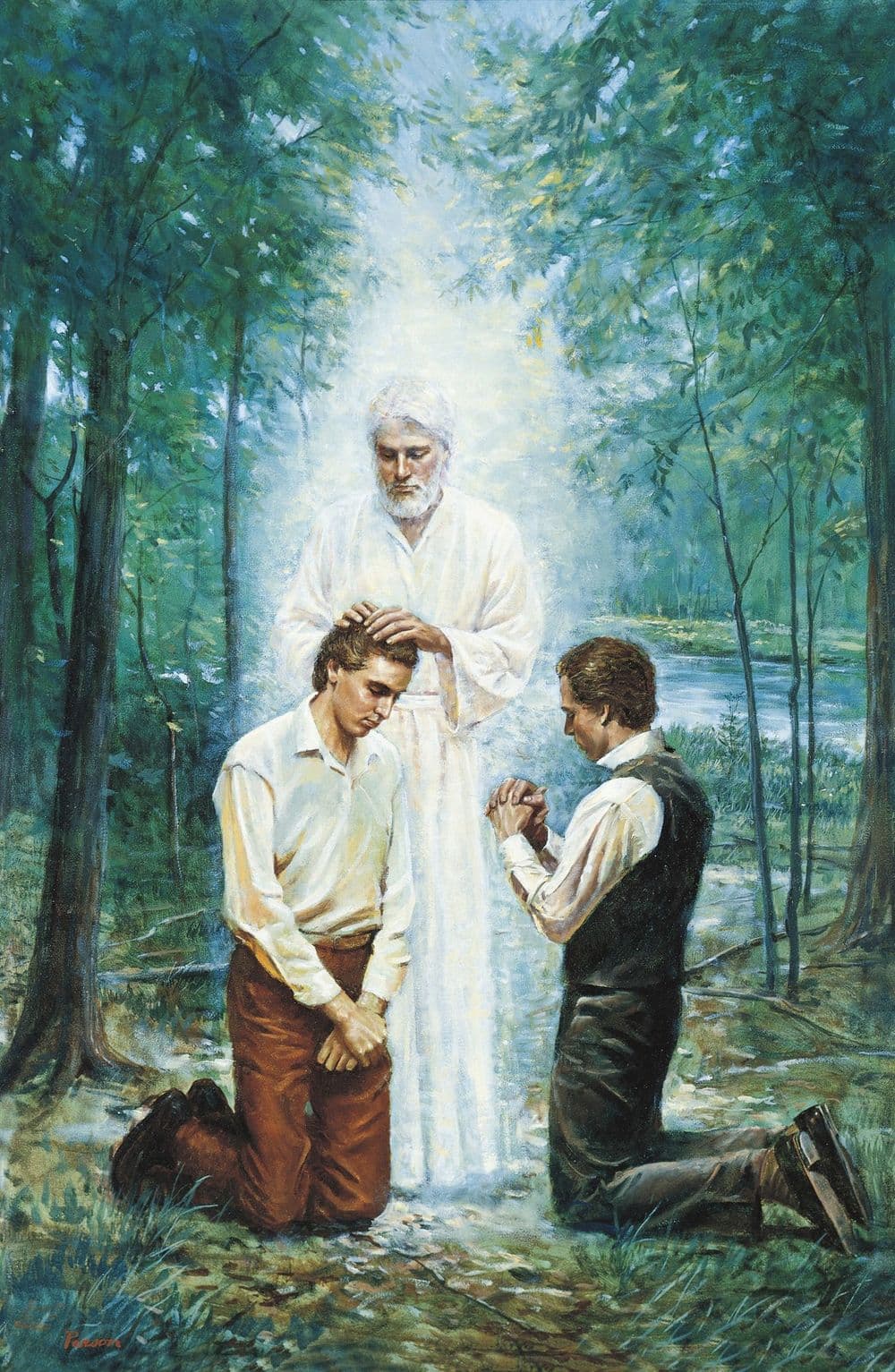
- The Restoration of AuthorityD&C 13, D&C 110, and why a line of conferral mattersThe Restoration's most distinctive claim is not that Joseph Smith had a vision. Plenty of people have visions. It is that authority to act in God's name was conferred by named persons, on datable days, by the laying on of hands — and that without that, ordinances are ceremony.D&C 13; D&C 27:12–13; D&C 110; D&C 107; Hebrews 5:445 min
- The Coming Forth of the Book of MormonHow it was produced, who saw it, and what the honest questions areSixty-five working days, a young man with three years of formal schooling, eleven witnesses who had every reason to recant and did not, and a set of questions about the translation process that the Church now answers publicly. This lesson covers all of it, including the parts that are uncomfortable.Title Page of the Book of Mormon; 2 Nephi 27; D&C 3; D&C 17; Ether 5:2–450 min
The doctrine behind the Proclamation, and the sealing power that makes a family a unit of eternity rather than of mortality. Read carefully, and with the compassion the subject requires.
- The Family: A Proclamation to the WorldWhat it says, where it comes from, and the doctrine underneath itNine paragraphs read aloud in September 1995, now among the most quoted Latter-day Saint documents of the last century. This lesson reads it as a text — its claims, its scriptural roots, its status, and the places where applying it well requires more care than quoting it does.Genesis 1:26–28; Genesis 2:24; Moses 3:24; D&C 131:1–4; D&C 132:1940 min
- The Sealing PowerMatthew 16, Malachi 4, D&C 128, and what binding on earth actually meansOne authority, promised to Peter, foretold by Malachi, restored in a temple in 1836 — and it is the reason a Latter-day Saint temple has a baptismal font in the basement and a sealing room upstairs. This lesson follows the power itself: what it is, who holds it, what it binds, and what it cannot do on its own.Matthew 16:19; Malachi 4:5–6; D&C 2; D&C 110:13–16; D&C 128; D&C 132:7, 1945 min