Library / Pearl of Great Price
Moses, Abraham, and Joseph Smith
The Pearl of Great Price
The smallest volume of scripture and the one that reframes the most. Moses sees the worlds and is told God's whole purpose in a sentence; Abraham is shown the intelligences and the council; and a fourteen-year-old boy walks into a grove.
4 lessons written3 hr of reading
- 01
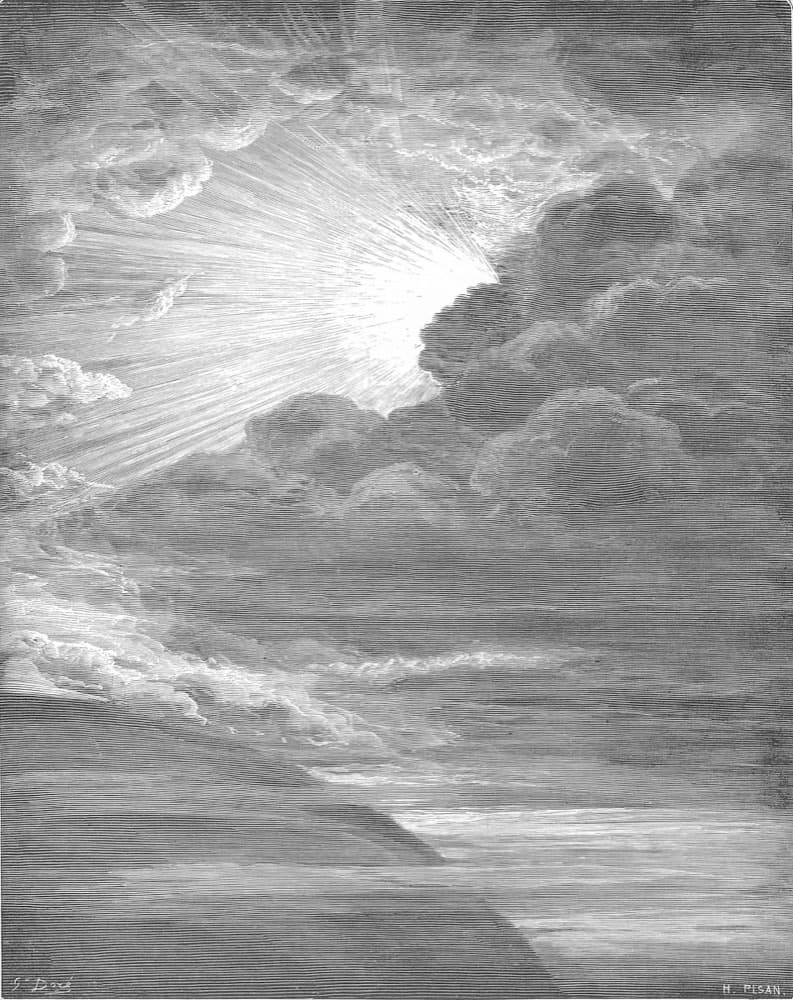
Moses Sees the Worlds
Moses 1, and a single verse that reorganises everything
A chapter that did not exist in any Bible before June 1830. Moses is shown the whole creation, collapses under the weight of it, is confronted by Satan, throws him out, and is then told God's entire purpose in one sentence. It is also the doorway the rest of the Pearl of Great Price walks through.
Moses 1; compare Exodus 3; Genesis 1:145 min4 sections
- 02
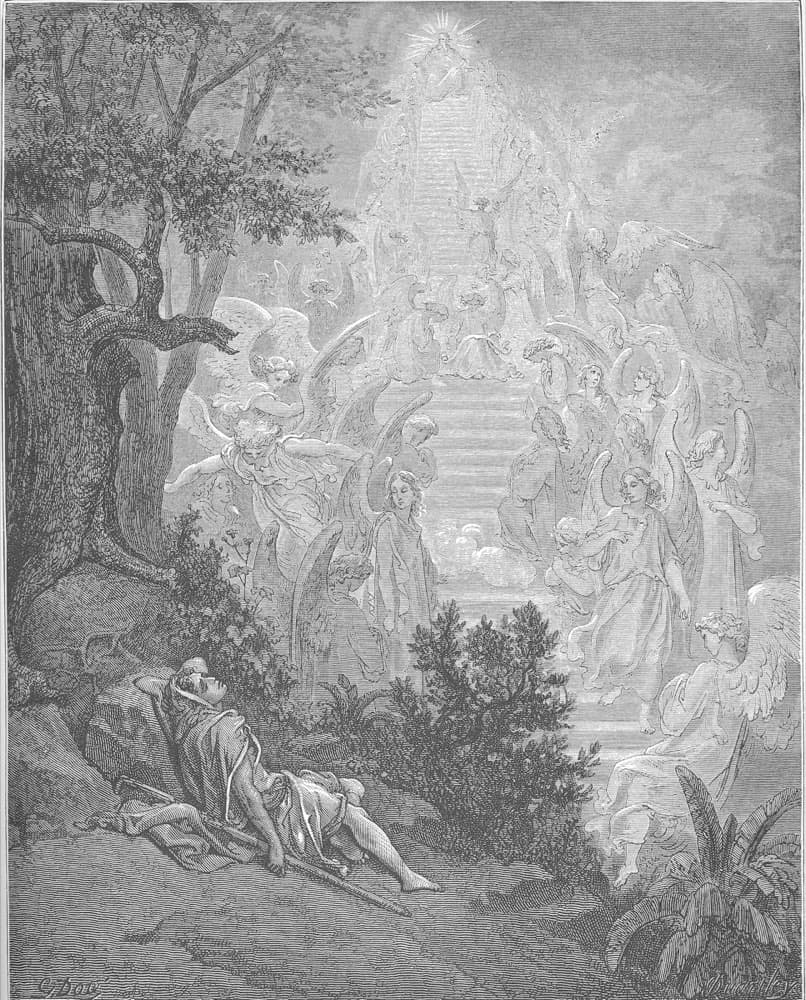
The God Who Weeps
Moses 7, Enoch, and a city that was taken up
Genesis gives Enoch four verses. The Book of Moses gives him a chapter, and in it Enoch sees God cry, asks Him how that is possible, and receives an answer that is one of the most consequential passages in Latter-day Saint scripture.
Moses 7; Genesis 5:21–24; Hebrews 11:5; D&C 38:440 min4 sections
- 03
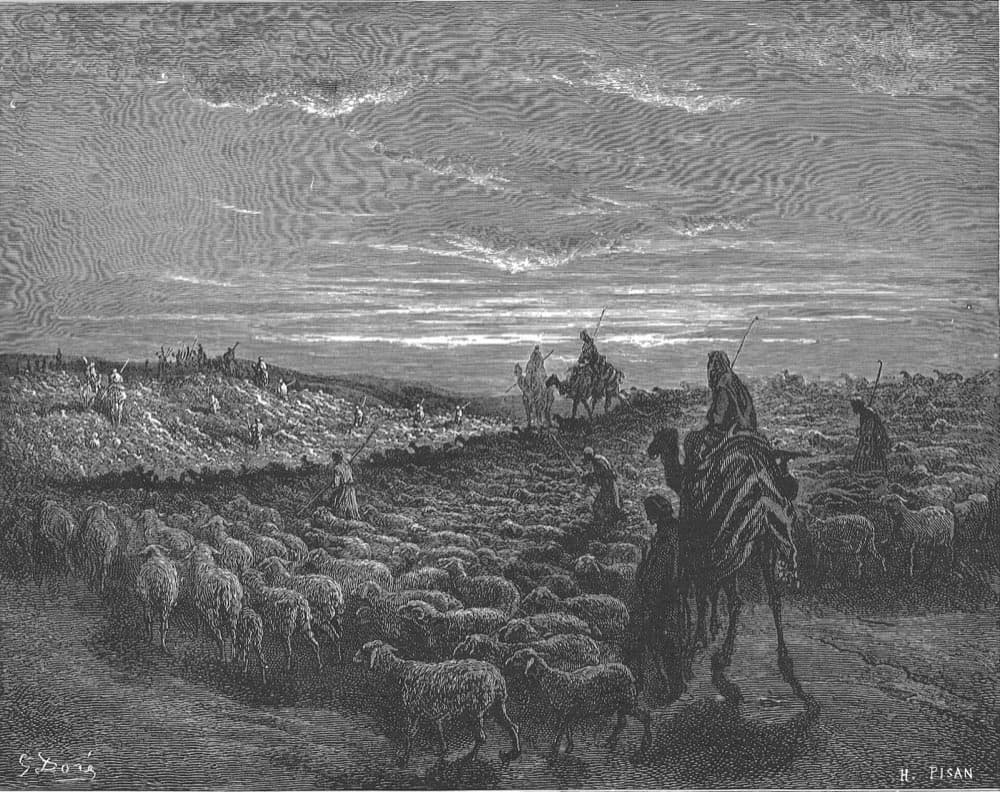
The Intelligences and the Council
Abraham 3, and the two questions it answers
Abraham is shown the stars, then told that the same ordering applies to spirits, then shown a council at which mortality was proposed and two answers were given. It is the most complete account of premortal existence in scripture, and it comes with a genuinely difficult provenance that this lesson does not skip.
Abraham 3; compare Moses 4:1–4; D&C 93:2950 min4 sections
- 04
Joseph Smith—History
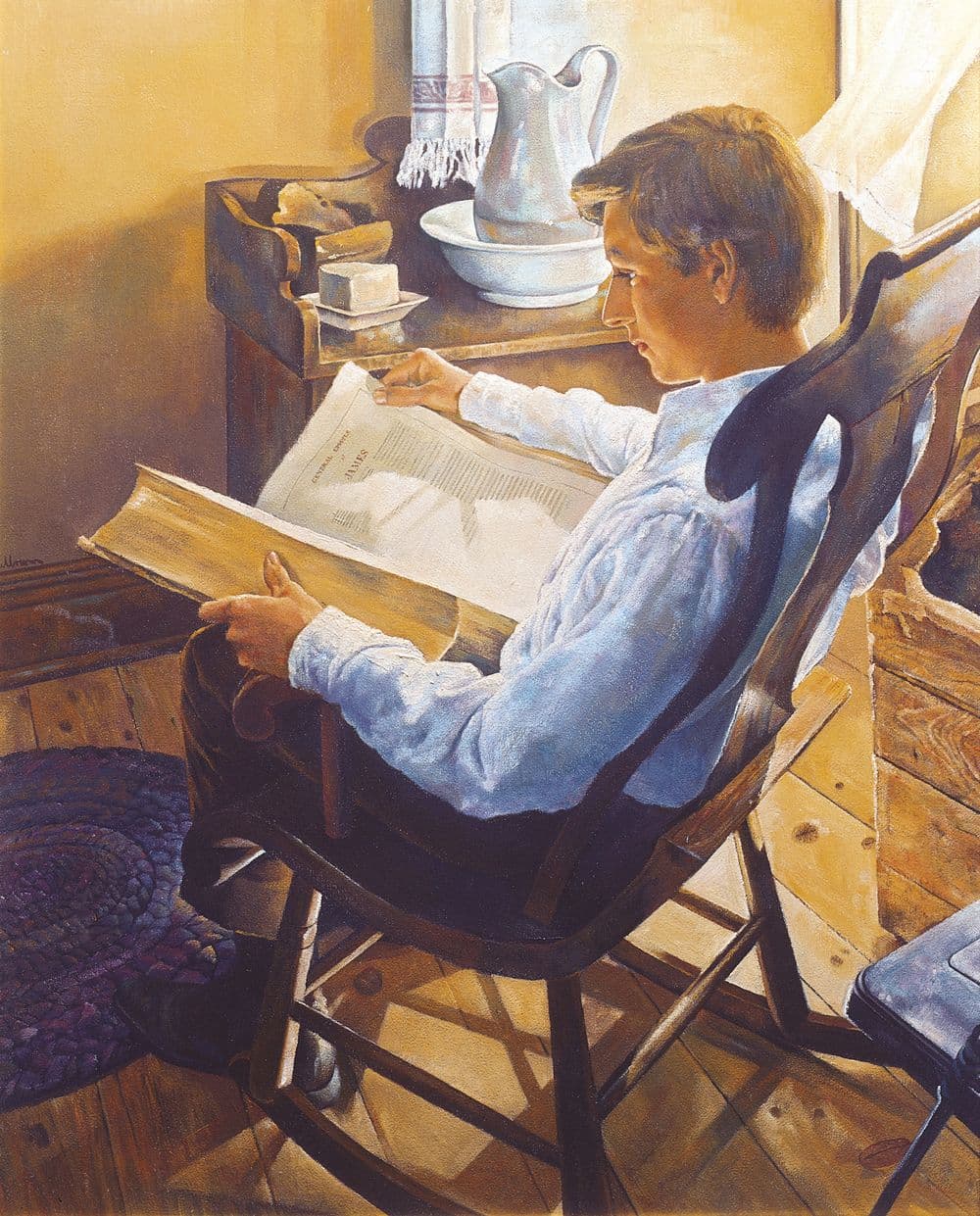
Reading the 1838 account as the document it is
The canonised account of the Restoration's first decade, dictated in 1838 for a specific purpose and audience. Read as a document — with its date, its occasion and its intended readers in view — it is both more interesting and more defensible than it is when read as a neutral chronicle.
Joseph Smith—History 1; compare James 1:5; Malachi 4:5–6; Acts 2:17–2145 min4 sections