2026 · The Old Testament
Come, Follow Me
The Church’s schedule for the year, week by week — and beside each week, what in this library goes deeper on that block of scripture. The dates and the reading assignments are the manual’s; the lessons, topics, chains, figures and word studies attached to them are this library’s.
Weeks 40–52 have a full study guide. Every week has a day-by-day reading plan.
This week · week 43 of 52
Oct 19 – Oct 25, 2026
Jeremiah 1–3 · Jeremiah 7 · Jeremiah 16–18 · Jeremiah 20
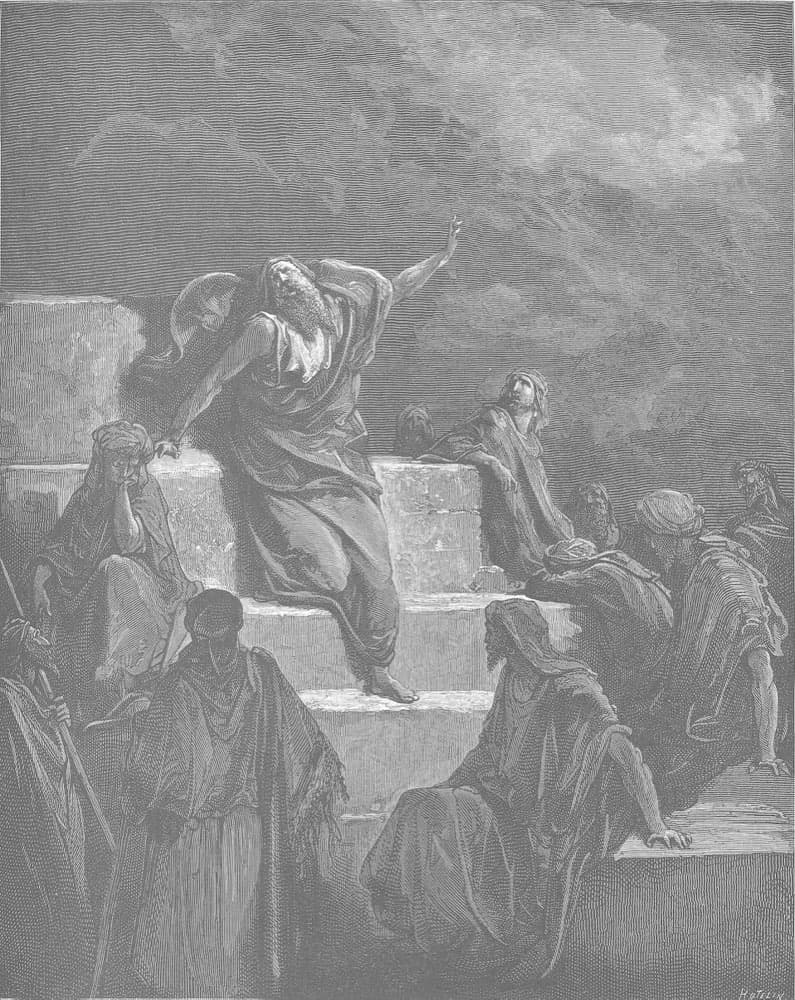
“Before I formed thee in the belly I knew thee” — two verbs, both prior to birth, and the second is hard to explain as foreknowledge alone.
God knew Jeremiah before he was born and called him to a message so hard it burned in his bones when he tried to keep quiet.
- 3 doctrinal topics
- 2 reference chains
- 3 word studies
All 52 weeks
January
- December 29–January 4IntroductionIntroduction to the Old TestamentBefore the first chapter: what kind of library the Old Testament is, how Hebrew poetry works, and why the Restoration reads it differently.5 to read
- January 5–11Moses 1; Abraham 3Two chapters that reorganise everything downstream — God's purpose stated in one sentence, and the council at which mortality was proposed.10 to read
- January 12–18Genesis 1–2; Moses 2–3; Abraham 4–5Three accounts of one creation, and the Hebrew question underneath all of them: does bārāʾ mean making from nothing, or organising what was already there?10 to read
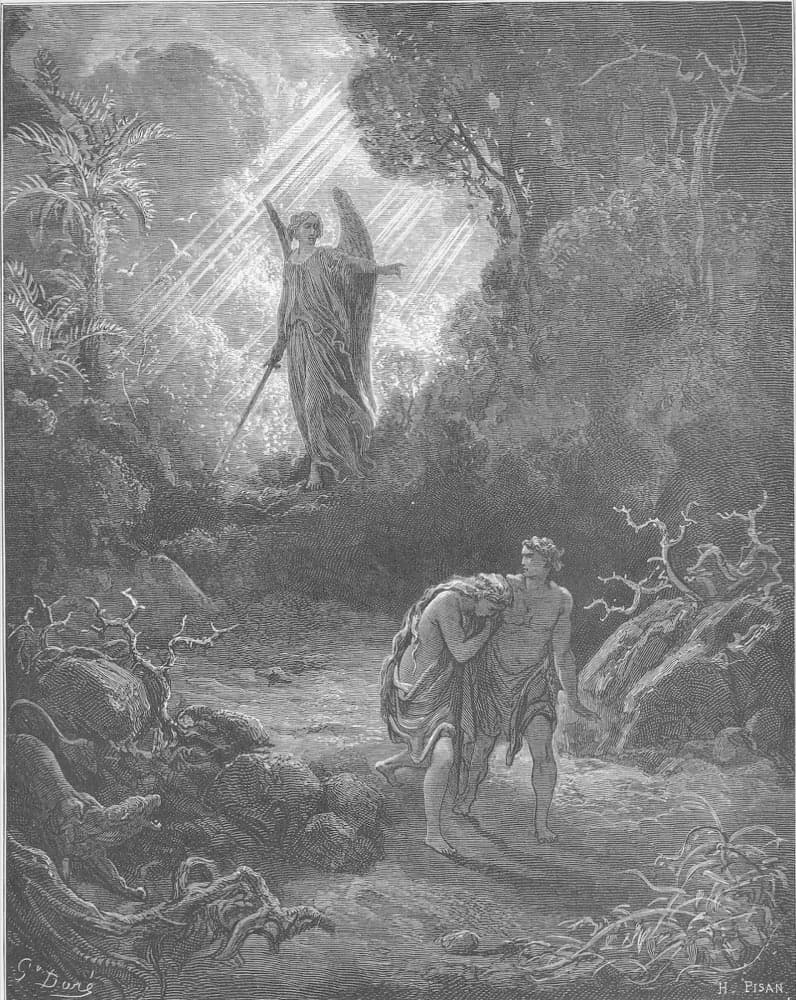
- January 19–25Genesis 3–4; Moses 4–5The doctrine where Latter-day Saint theology parts most sharply from the rest of Christendom: the Fall as a step forward, and Eve's choice honoured rather than blamed.13 to read
February
- January 26–February 1Genesis 5; Moses 6A genealogy in Genesis becomes a chapter in Moses: Enoch is called, objects that he is slow of speech, and is sent anyway.5 to read
- February 2–8Moses 7Enoch sees God weep and asks how that is possible. The answer runs on agency, and it is one of the most consequential passages in Latter-day Saint scripture.8 to read
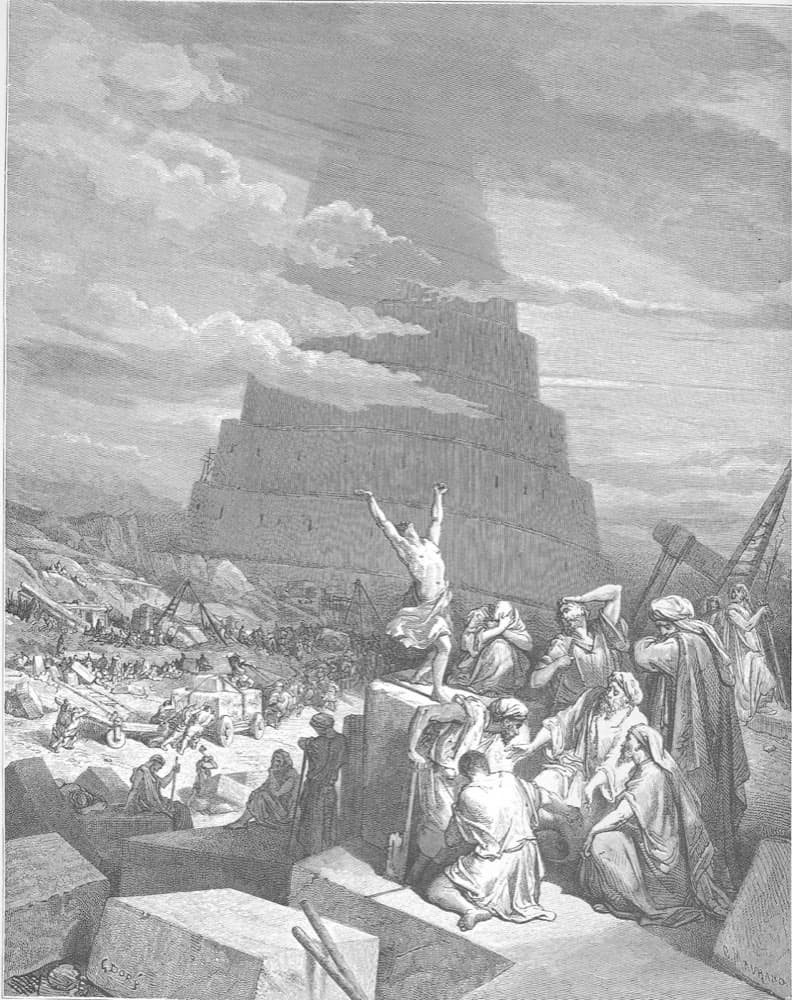
- February 9–15Genesis 6–11; Moses 8The flood, the covenant with all flesh, and Babel — the last of the primeval history before the story narrows to one family.6 to read
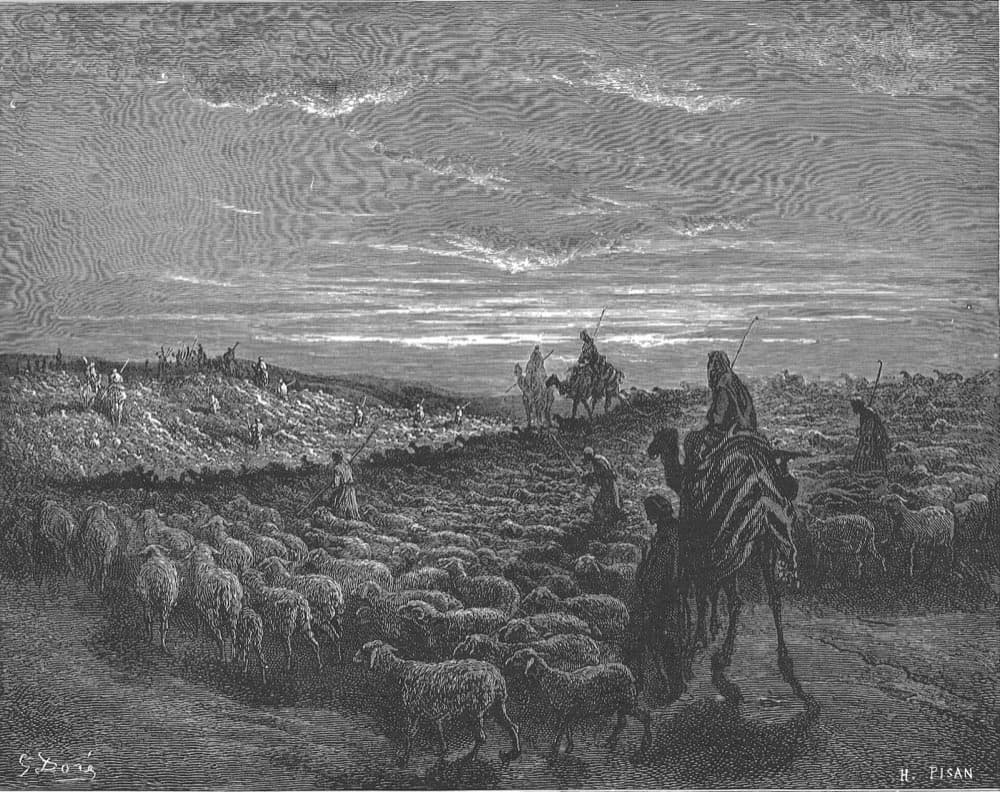
- February 16–22Genesis 12–17; Abraham 1–2The covenant that becomes the spine of the whole canon — land, seed, and blessing to all nations — given in instalments to a man who is already old.11 to read
March
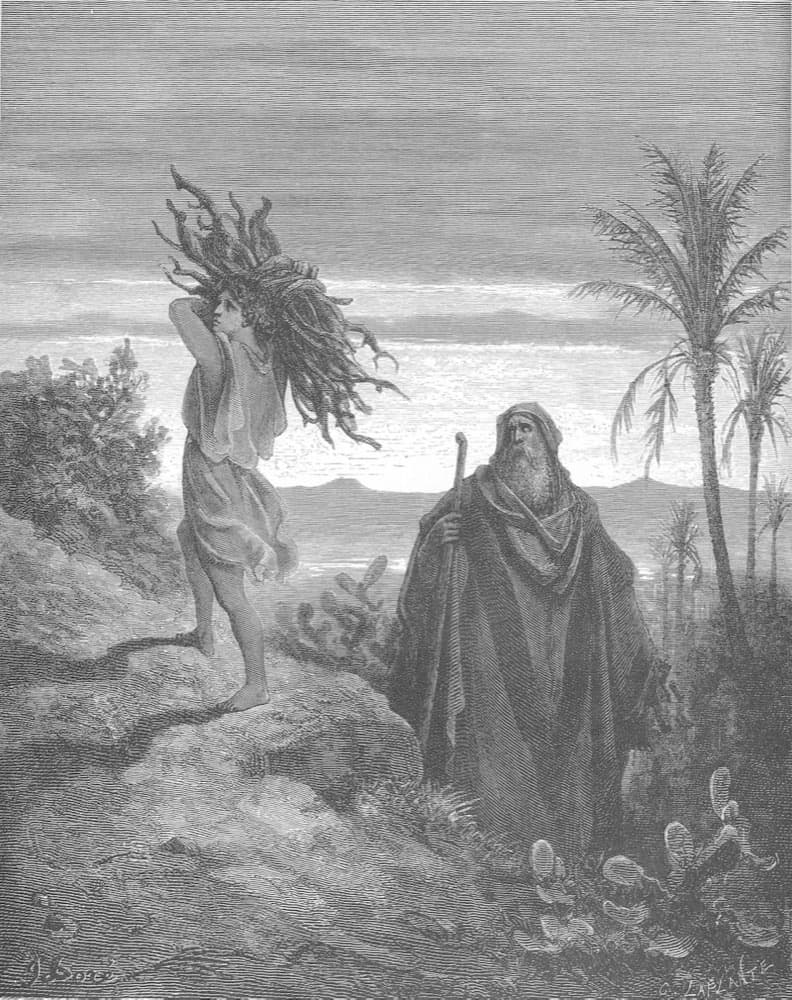
- February 23–March 1Genesis 18–23Abraham argues with God over Sodom and is not rebuked for it; then Moriah, which the New Testament reads as a type and Jacob 4:5 says so outright.8 to read
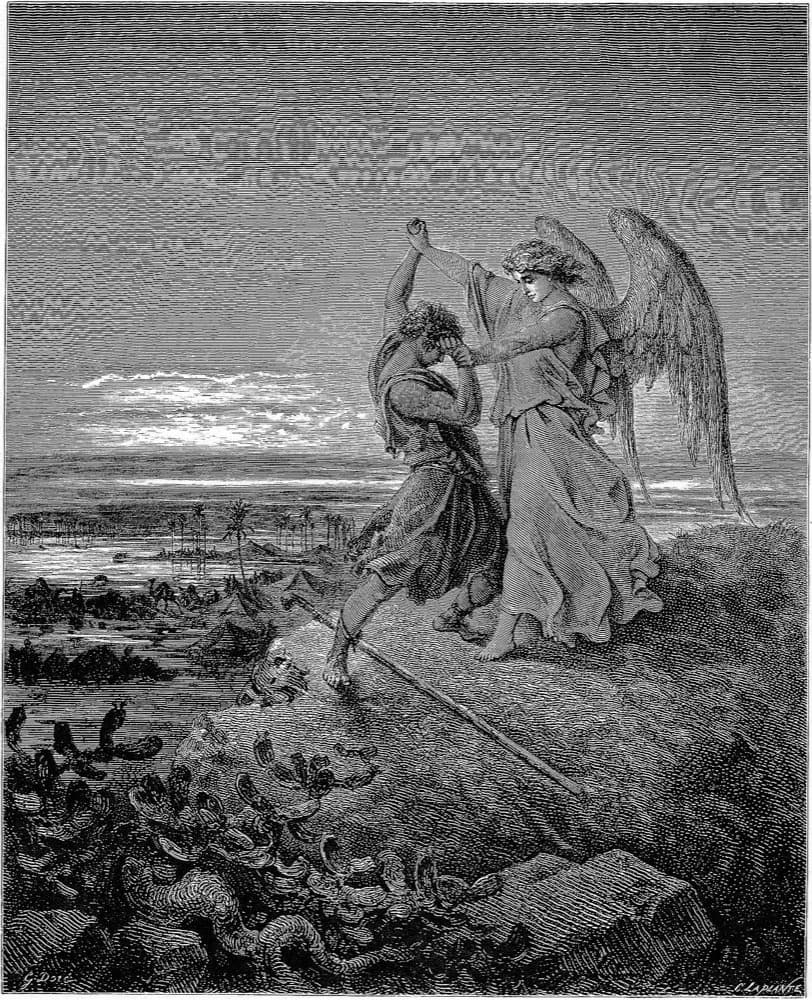
- March 2–8Genesis 24–33Isaac, Jacob, Esau and Laban — a long stretch of family dysfunction through which the covenant passes anyway, ending with a night of wrestling and a new name.6 to read
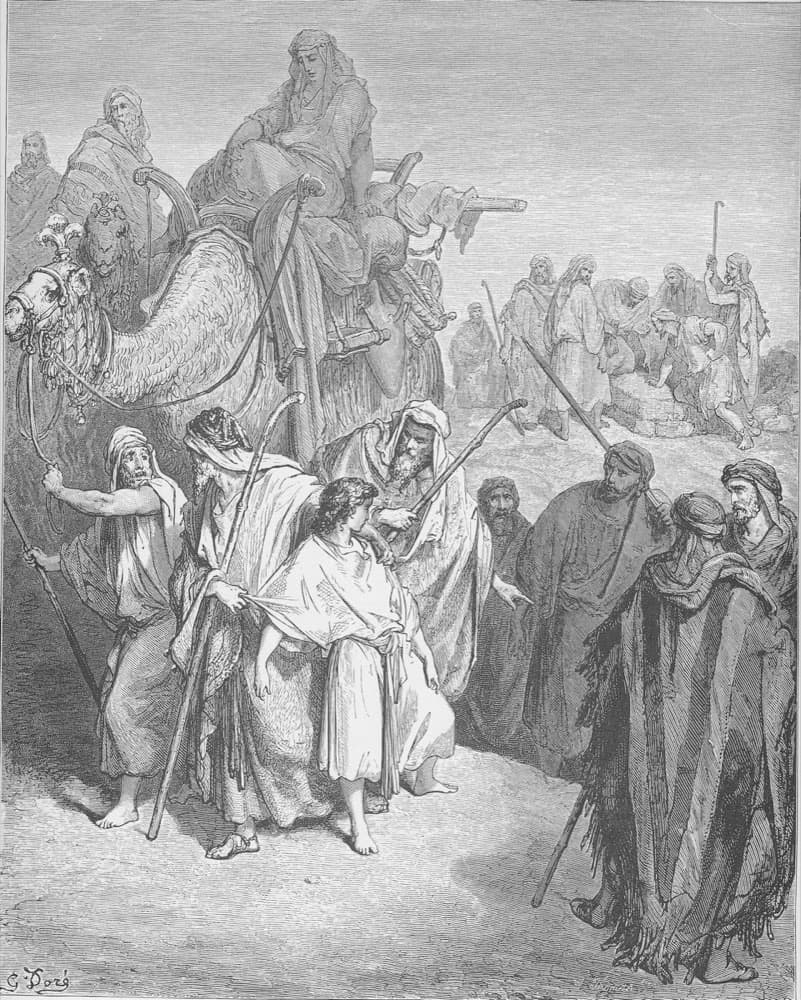
- March 9–15Genesis 37–41Joseph sold, imprisoned, forgotten, and raised — the Bible's most sustained study of a righteous person to whom bad things keep happening.5 to read
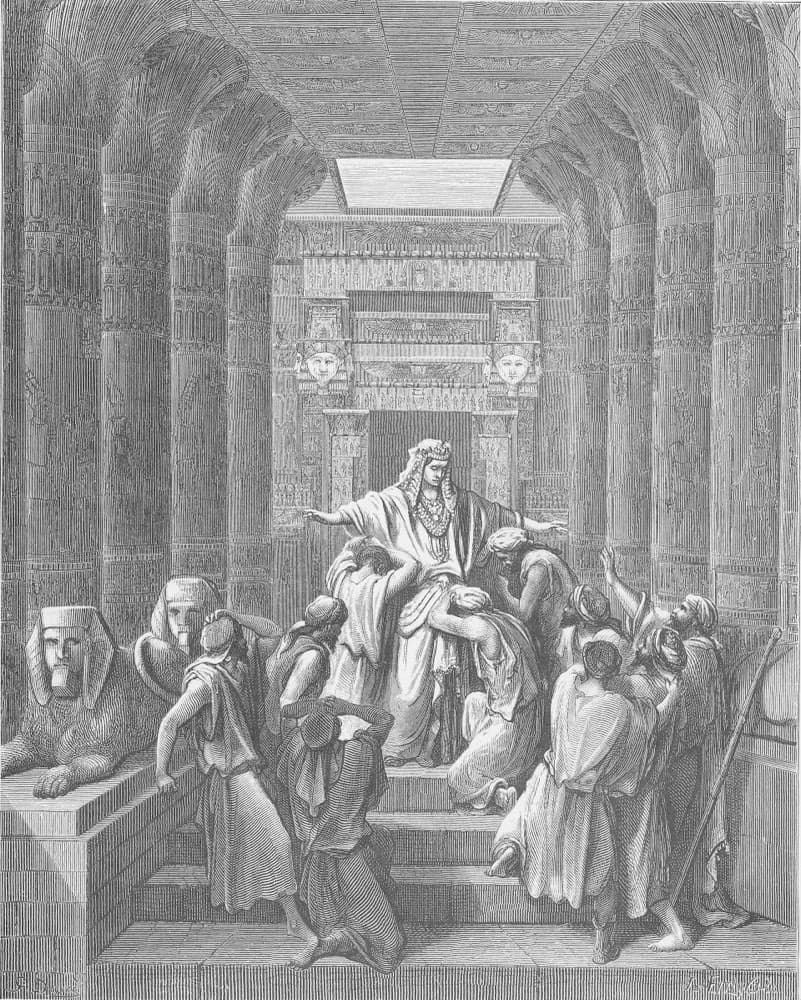
- March 16–22Genesis 42–50The reunion, and one of the hardest sentences in scripture to actually mean: “ye thought evil against me; but God meant it unto good.”6 to read
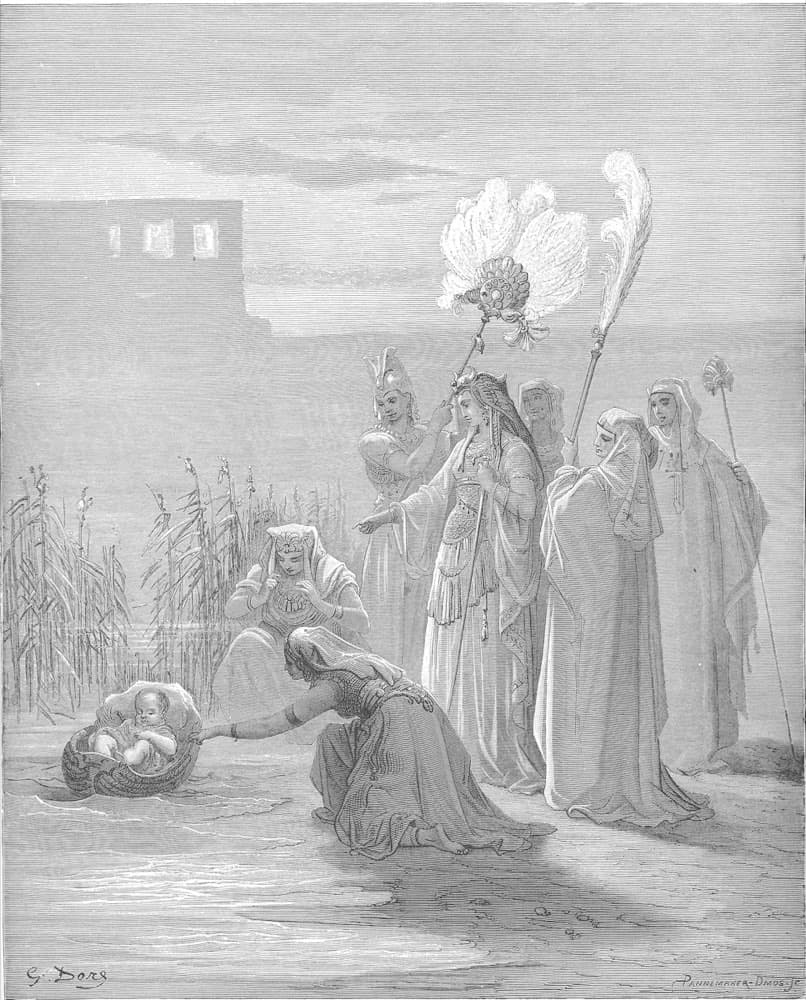
- March 23–29Exodus 1–6The burning bush, and the divine name — the phrase Christ will use of Himself in John 8:58, to a crowd that immediately reaches for stones.8 to read
April
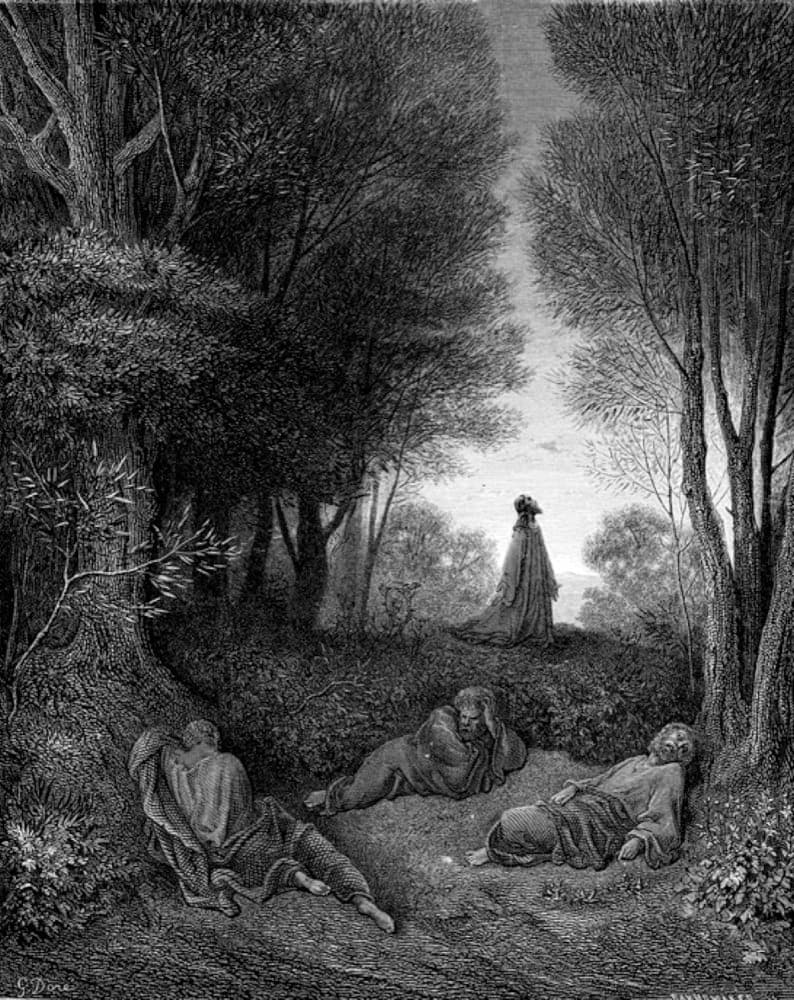
- March 30–April 5EasterEasterA week out of the Old Testament sequence. The garden, the cross, and the empty tomb — with the Hebrew of Isaiah 53 and the first-person account in D&C 19 alongside.14 to read
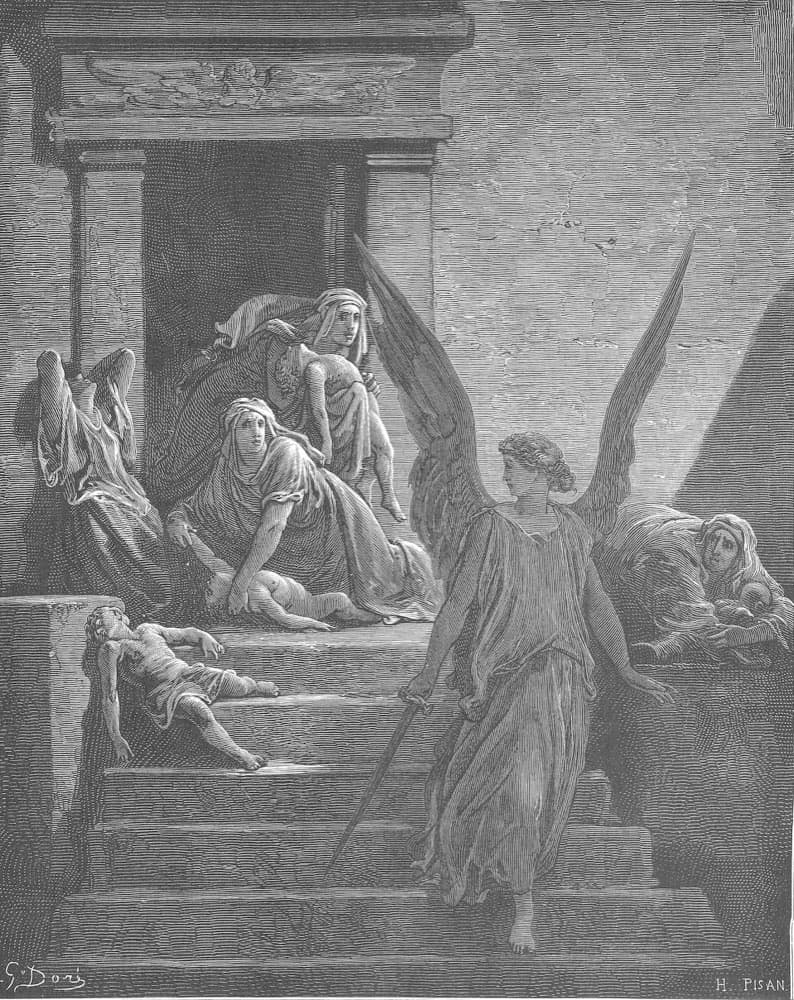
- April 6–12Exodus 7–13The plagues as an argument against particular Egyptian gods, and then Passover — a rehearsal, kept annually for thirteen centuries before the thing it rehearsed.10 to read
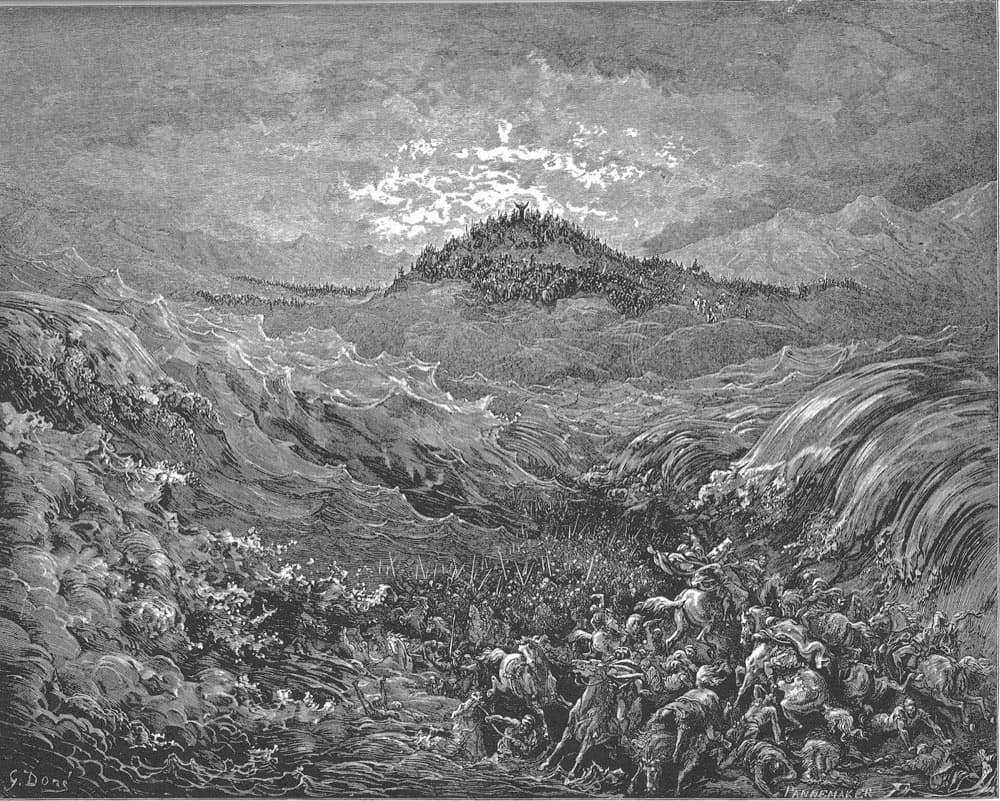
- April 13–19Exodus 14–18The sea, the manna, and the water from the rock — and Paul's flat statement in 1 Corinthians 10:4 that “that Rock was Christ.”8 to read
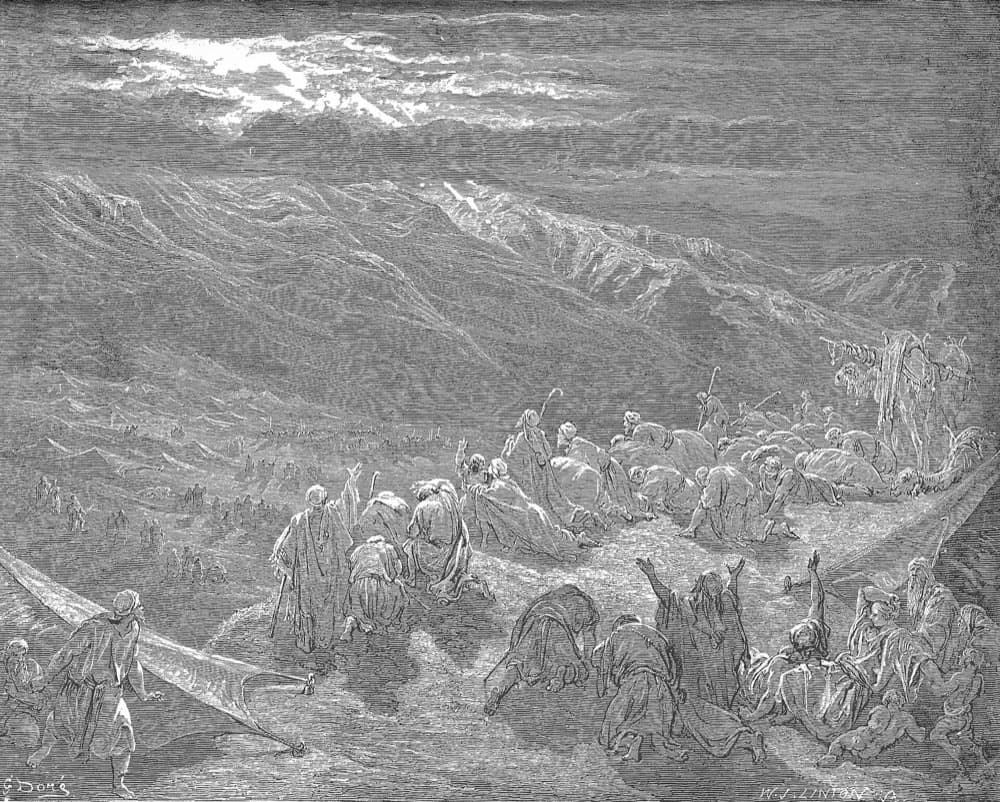
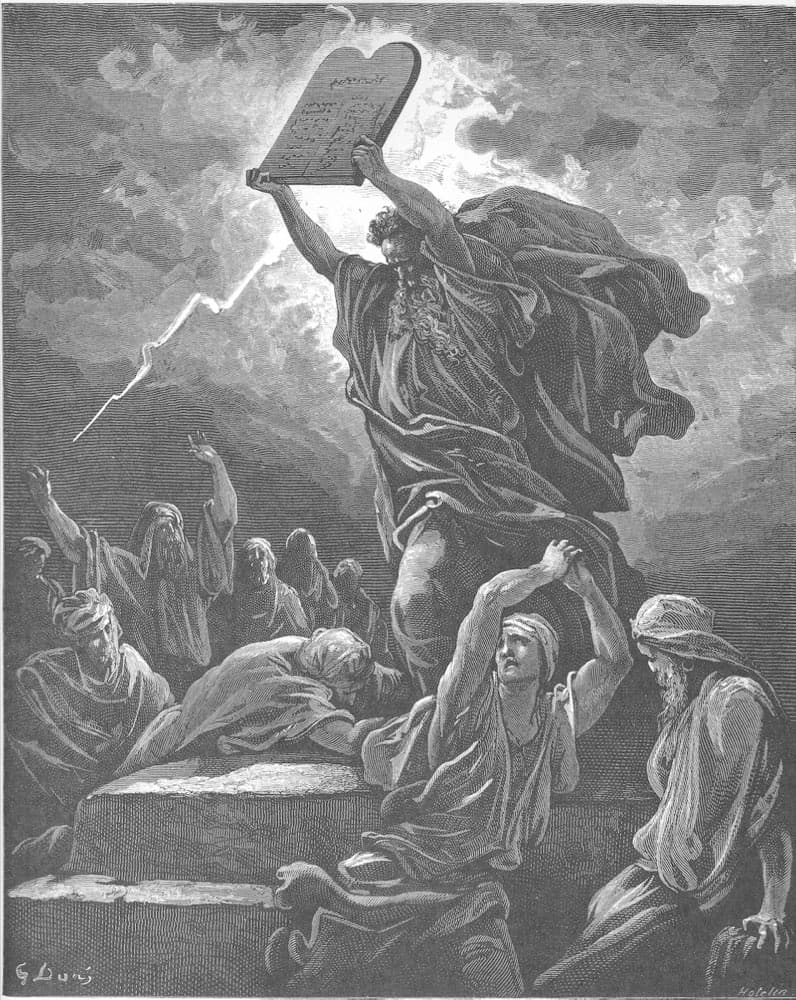
- April 20–26Exodus 19–20; 24; 31–34A nation offered terms and accepting them before a single commandment is given — and then, at the mountain, asking not to hear God directly.13 to read
May
- April 27–May 3Exodus 35–40; Leviticus 1; 4; 16; 19The tabernacle built to specification, and the sacrificial system that goes in it — including the guilt offering whose name turns up in Isaiah 53:10.11 to read
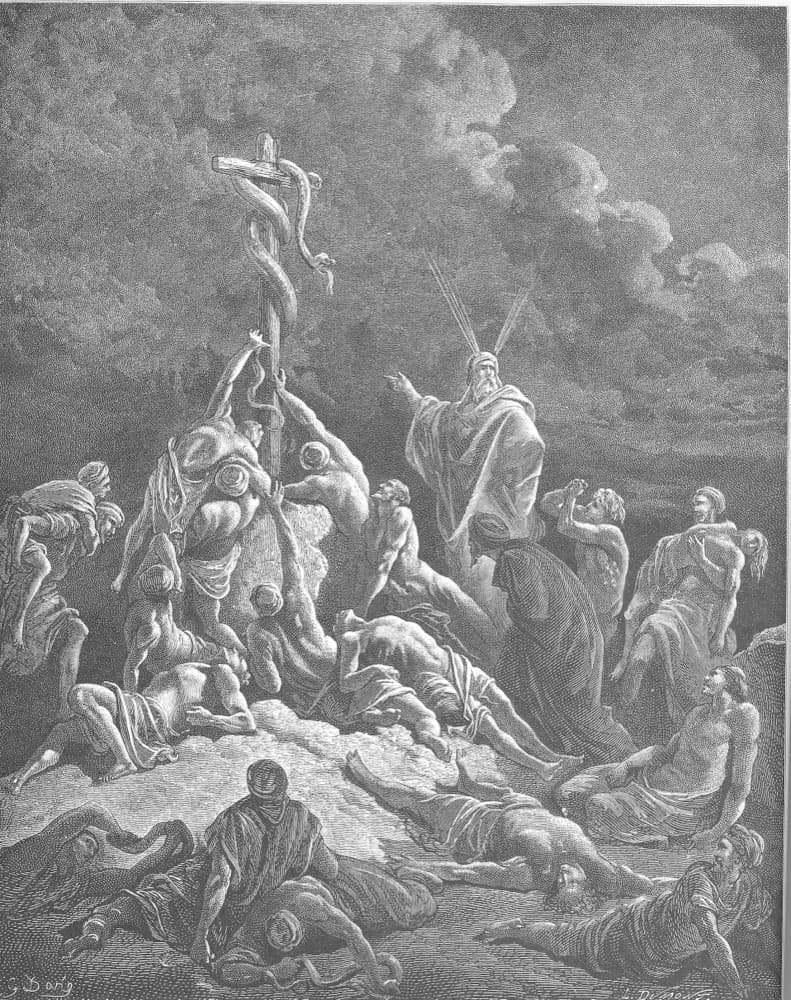
- May 4–10Numbers 11–14; 20–24; 27Forty years decided in a single chapter, a brass serpent nobody would look at, and a prophet-for-hire who cannot say what he was paid to say.7 to read
- May 11–17Deuteronomy 6–8; 15; 18; 29–30; 34Moses' last sermons, built on remembering — including the Shema, the year of release, and the promise of a prophet like unto him.10 to read
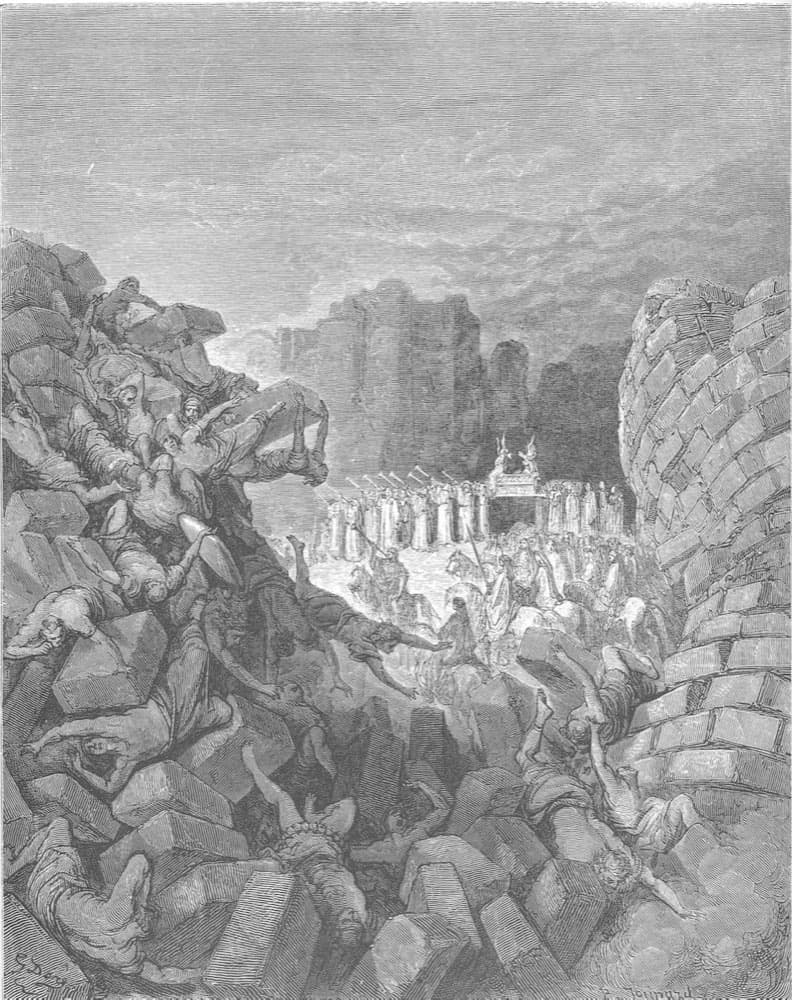
- May 18–24Joshua 1–8; 23–24Crossing over, and a covenant renewed at Shechem with the sentence everyone remembers: “as for me and my house, we will serve the Lord.”6 to read
- May 25–31Judges 2–4; 6–8; 13–16The cycle the book is built on — apostasy, oppression, crying out, deliverance — running four times, with the deliverers getting steadily worse.6 to read
June
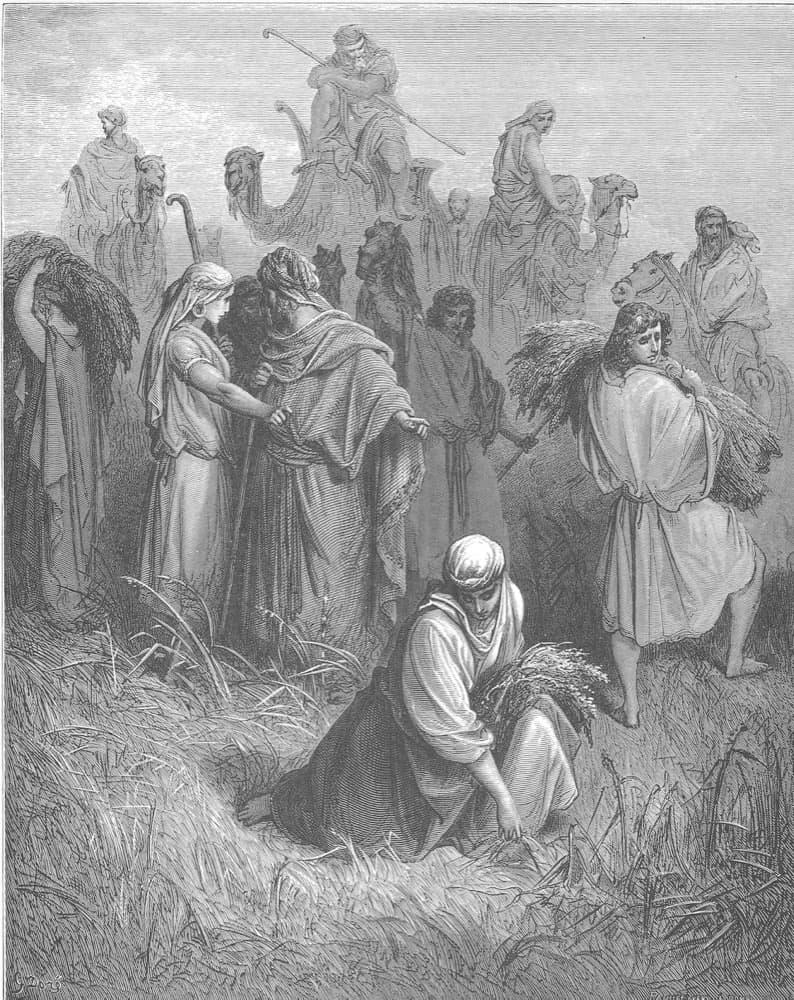
- June 1–7Ruth; 1 Samuel 1–7The best short story in the Bible, and the word it turns on — ḥesed, covenant loyalty shown by someone under no obligation at all.7 to read
- June 8–141 Samuel 8–10; 13; 15–16Israel asks for a king “like all the nations,” gets one, and learns what obedience costs: “to obey is better than sacrifice.”6 to read
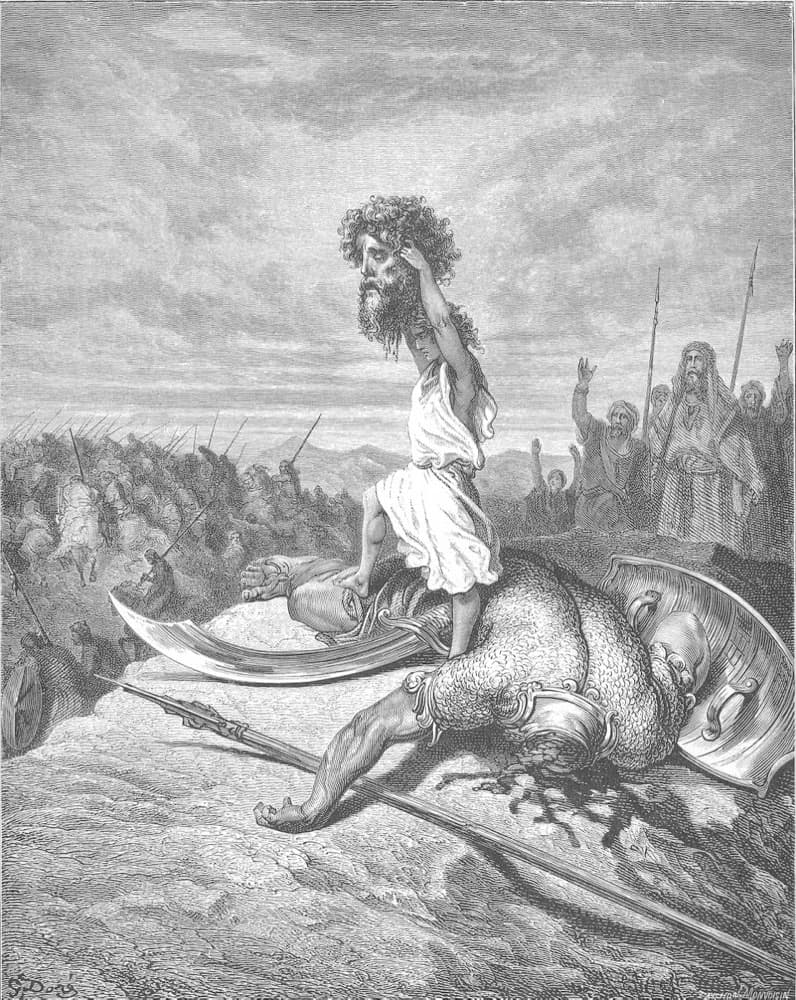
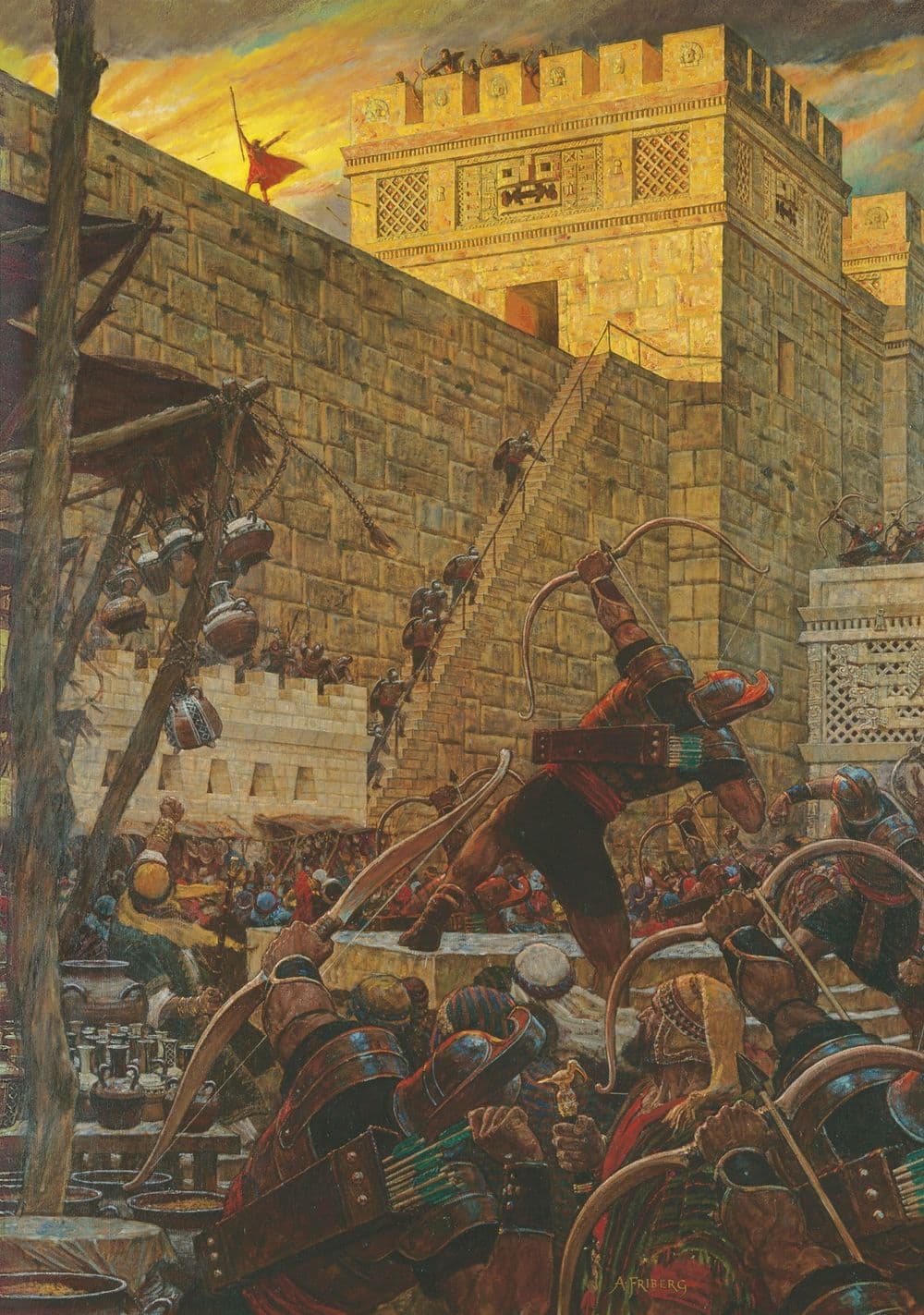
- June 15–211 Samuel 17–18; 24–26; 2 Samuel 5–7Goliath, then the harder chapters — David sparing Saul twice — and then the promise to David's house that the messianic hope hangs on.7 to read
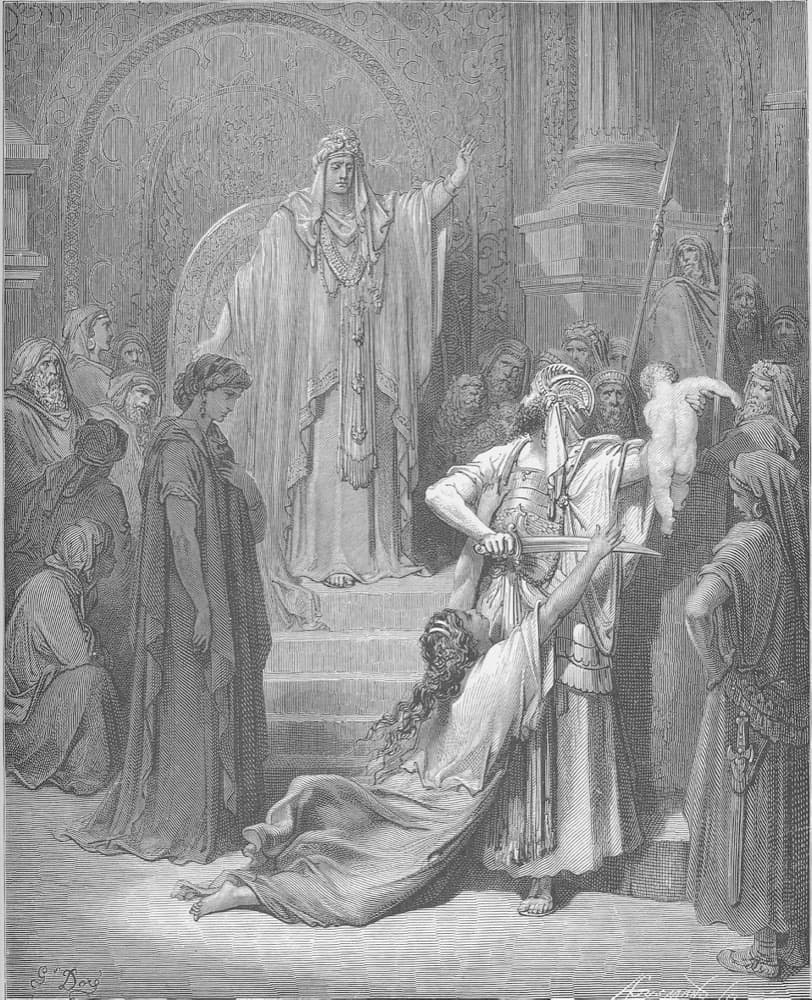
- June 22–282 Samuel 11–12; 1 Kings 3; 6–9; 11Bathsheba and Nathan's parable, and then Solomon's temple — the high point of Israel's worship, built by a man whose own end the text does not soften.9 to read
July
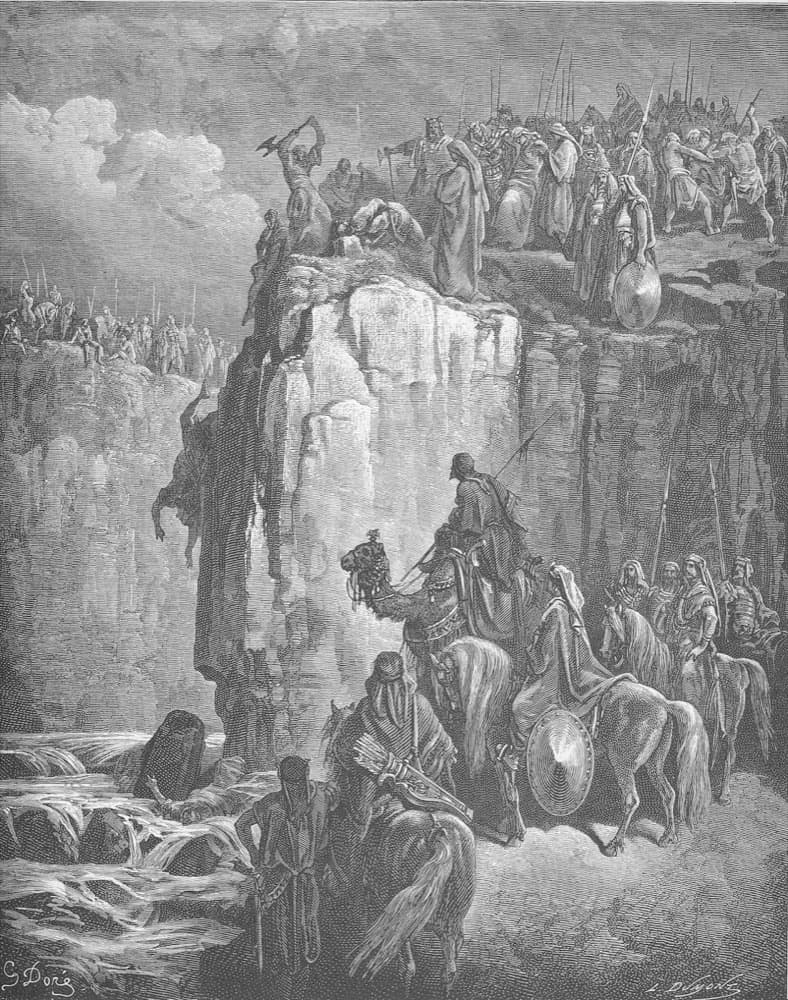
- June 29–July 51 Kings 12–13; 17–22The kingdom divides, and Elijah arrives — Carmel, and then the chapter after Carmel, which is the one this library thinks is the point.9 to read
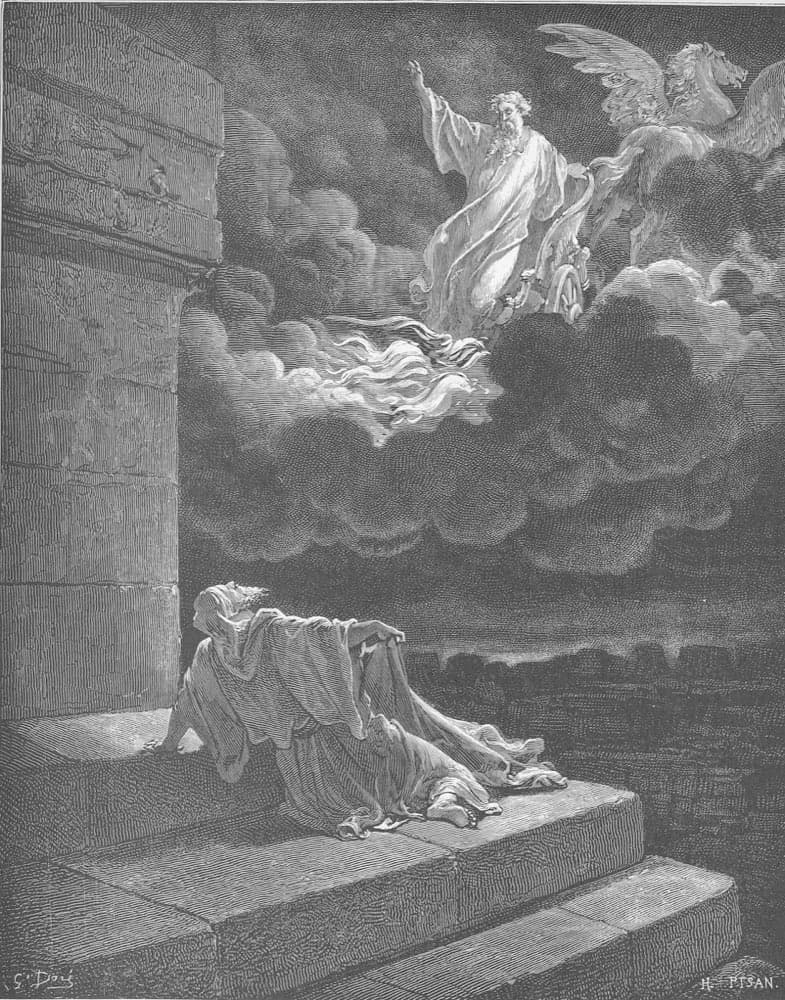
- July 6–122 Kings 2–7Elijah taken up without dying — which is what makes his return in 1836 possible — and Elisha, with twice the miracles and a fraction of the attention.8 to read
- July 13–192 Kings 16–25Samaria falls, then Jerusalem. The scattering the prophets had been announcing for two centuries actually happens, and the gathering becomes a promise about the future.6 to read
- July 20–262 Chronicles 14–20; 26; 30The same history retold with the temple at its centre — and Jehoshaphat's prayer, which is the plainest admission of helplessness any king makes.5 to read
August
- July 27–August 2Ezra 1; 3–7; Nehemiah 2; 4–6; 8The return, the second temple, and a wall built with a trowel in one hand — plus the day Ezra read the law aloud and the people wept.8 to read
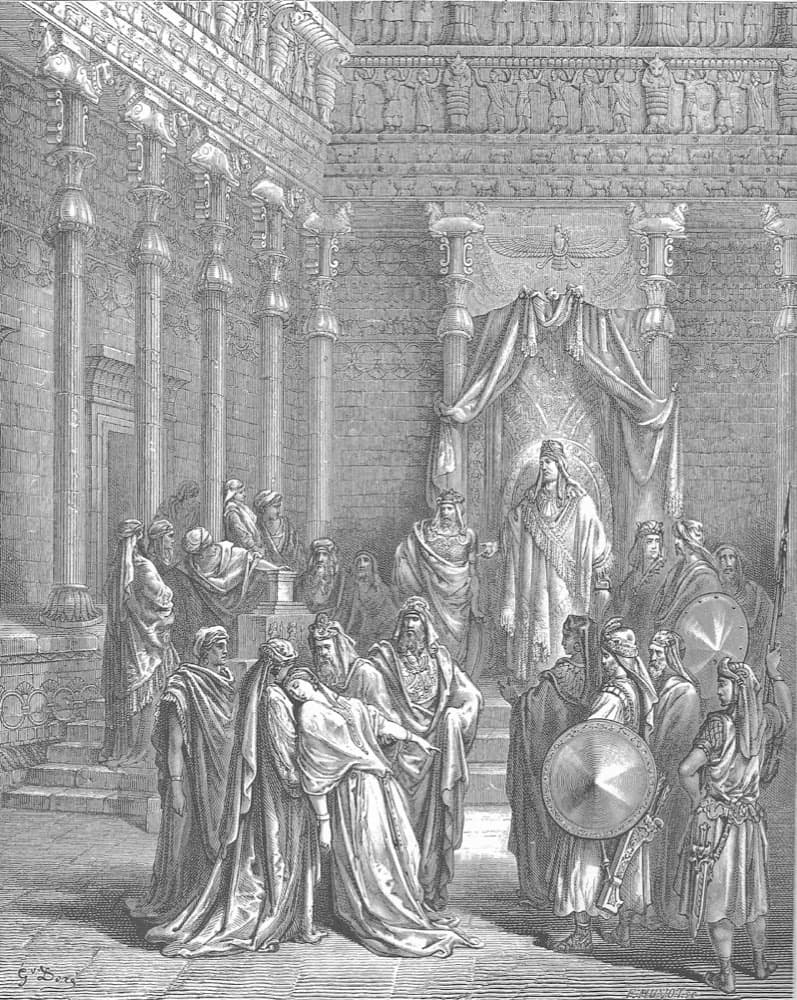
- August 3–9EstherThe only book in the Bible that never mentions God — and the only one in which a woman's decision saves the covenant people.5 to read
- August 10–16Job 1–3; 12–14; 19; 21–24; 38–40; 42Thirty-five chapters of the wrong answer, and then God's reply, which never addresses the question. That silence is the book's teaching.7 to read
- August 17–23Psalms 1–2; 8; 19–33; 40; 46Hebrew poetry at full strength. Learn parallelism first and the Psalms stop looking like lists of unrelated claims.8 to read
- August 24–30Psalms 49–51; 61–66; 69–72; 77–78; 85–86Psalm 51 is the repentance psalm — David after Nathan — and its vocabulary of a clean heart and a right spirit runs straight into Mosiah 4 and Alma 5.8 to read
September
- August 31–September 6Psalms 102–3; 110; 116–19; 127–28; 135–39; 146–50Psalm 110 is the most quoted Old Testament passage in the New, and Psalm 119 is an acrostic of 176 verses all about one subject: the word.9 to read
- September 7–13Proverbs 1–4; 15–16; 22; 31; Ecclesiastes 1–3; 11–12Wisdom literature, which argues rather than commands — and Ecclesiastes, which is far bleaker than most people who quote it realise.8 to read
- September 14–20Isaiah 1–12Nephi said his people did not delight in Isaiah, and then quoted him for thirteen chapters anyway. Four keys make the difference.7 to read
- September 21–27Isaiah 13–14; 22; 24–30; 35Isaiah 29 is the chapter Moroni quoted and 2 Nephi 27 expands — a sealed book, a learned man who cannot read it, and a marvellous work and a wonder.5 to read
October
- September 28–October 4study guideIsaiah 40–49“Comfort ye my people” — and the section whose authorship is genuinely contested, which matters for the brass plates in a way this library does not skip.6 to read
- October 5–11study guideIsaiah 50–57The fourth Servant Song. Fifteen verses written seven centuries early, and the Hebrew is harder than the King James makes it.10 to read
- October 12–18study guideIsaiah 58–66Isaiah 58 defines fasting entirely in terms of what is given away, and attaches every blessing in it to the giving rather than the abstaining.7 to read
- October 19–25this weekstudy guideJeremiah 1–3; 7; 16–18; 20“Before I formed thee in the belly I knew thee” — two verbs, both prior to birth, and the second is hard to explain as foreknowledge alone.8 to read
November
- October 26–November 1study guideJeremiah 31–33; 36–39; Lamentations 1; 3The new covenant, written on hearts rather than on stone — announced in the middle of the siege that ended the old arrangement.8 to read
- November 2–8study guideEzekiel 1–3; 33–34; 36–37; 47The valley of dry bones, and the two sticks becoming one in the hand — which is the passage Latter-day Saints have read as the Book of Mormon since 1830.9 to read
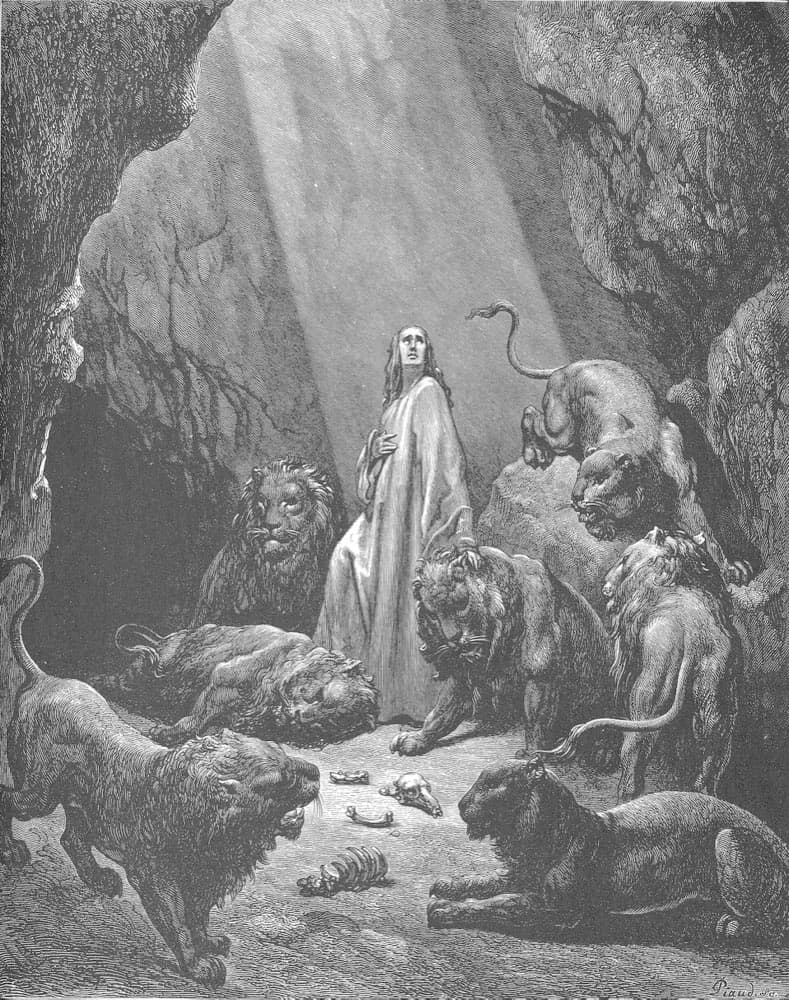
- November 9–15study guideDaniel 1–7A stone cut out of the mountain without hands, filling the whole earth — and a set of young men who decline the king's meat first.6 to read
- November 16–22study guideHosea 1–6; 10–14; JoelA prophet told to marry a woman who will leave him, so that Israel can see what it looks like from God's side. Joel supplies the passage Moroni quoted.9 to read
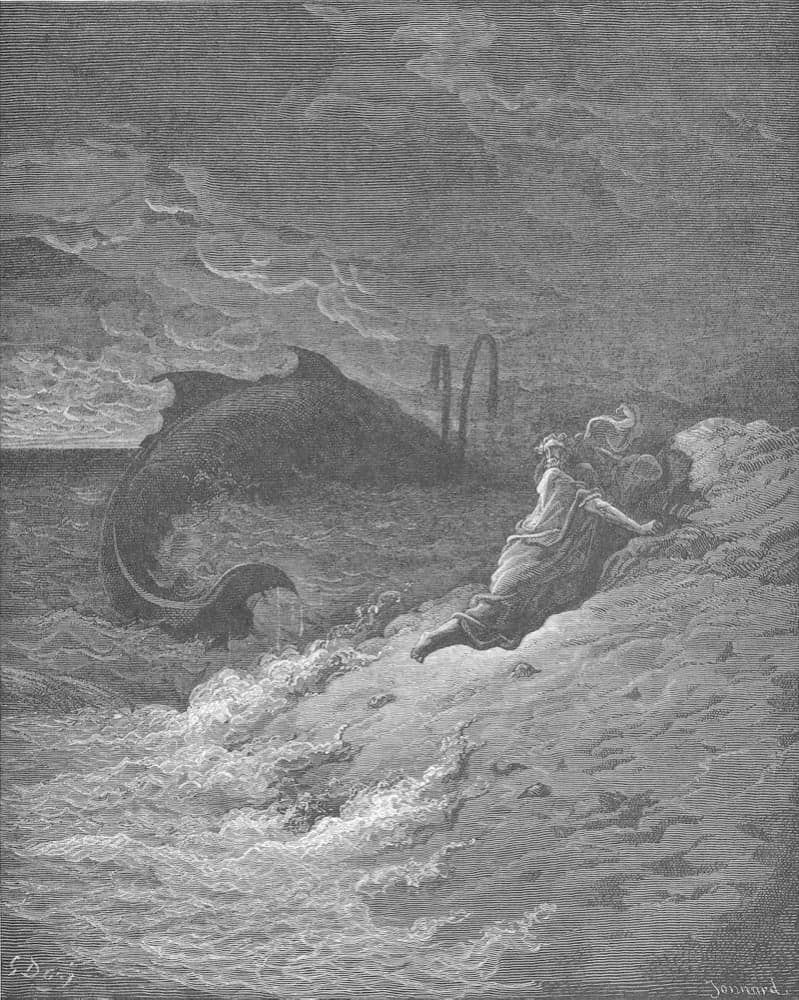
- November 23–29study guideAmos; Obadiah; JonahAmos names the apostasy as a famine of hearing the word — and Jonah is a book about a prophet who is angry that his preaching worked.9 to read
December
- November 30–December 6study guideMicah; Nahum; Habakkuk; ZephaniahMicah 5:2 is specific enough to be checkable, which is why Herod's scribes could answer the wise men without hesitation. Micah 6:8 puts the whole law in a single sentence.8 to read
- December 7–13study guideHaggai 1–2; Zechariah 1–4; 7–14Zechariah 12:10 — “they shall look upon me whom they have pierced” — where the speaker is the Lord and the piercing is done to Him.6 to read
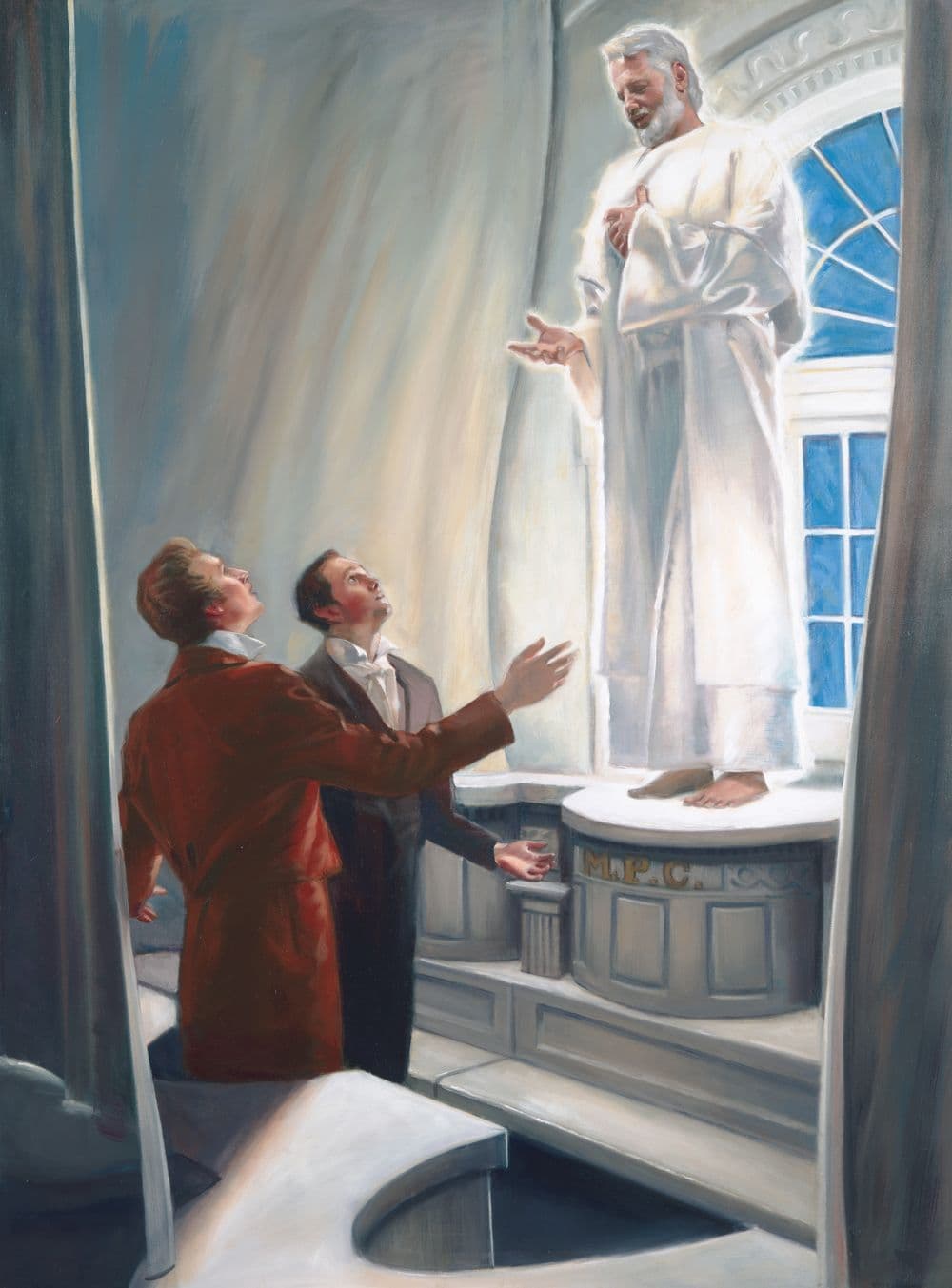
- December 14–20study guideMalachiThe last two verses of the Old Testament are about Elijah — and Moroni quoted them to Joseph Smith with a variation he took care to record.9 to read
- December 21–27Christmasstudy guideChristmasThe year ends where the prophets were pointing. The condescension of God, and every name the canon gives Him.10 to read
Schedule from Come, Follow Me—For Home and Church: Old Testament 2026. This page is not a substitute for the manual; it is a way into it.