Topics / Plan of Salvation
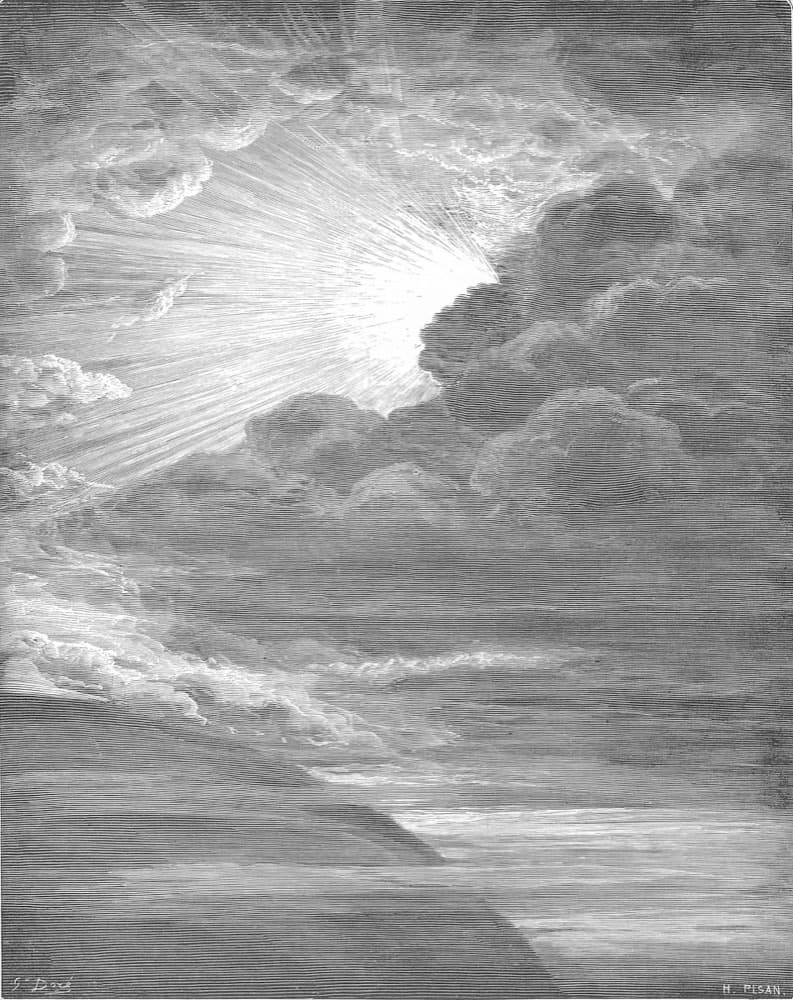
The Creation of Light
The architecture everything else sits inside
The Plan of Salvation
Premortal life, creation, the Fall, mortality, the Atonement, the spirit world, resurrection, judgment, and degrees of glory. Scripture calls it the plan of happiness, the plan of redemption and the plan of mercy — three names for the same design, each naming a different part of it.
25 min2 sections
The shape
Where we were, why we came, and where it goes — with the two veils marked, and the judgment fanning out into three degrees rather than two outcomes.
| Stage | What happens | Key texts |
|---|---|---|
| Premortal life | Spirits organised, taught, and given a choice; a council at which mortality is proposed | Abraham 3:22–26; D&C 93:29; Jeremiah 1:5 |
| Creation | An earth organised from existing materials, for a stated purpose | Abraham 4:1; Moses 1:39; D&C 49:16–17 |
| The Fall | Two deaths introduced — physical and spiritual — and mortality begun | 2 Nephi 2:19–25; Alma 42:6–9; Moses 4 |
| Mortality | A proving, with agency, opposition, covenants and ordinances | Abraham 3:25; 2 Nephi 2:11, 27; Alma 34:32 |
| The spirit world | Paradise and prison; teaching, and the chance to accept the gospel | Alma 40:11–14; D&C 138; 1 Peter 4:6 |
| Resurrection | Spirit and body reunited permanently, for everyone | Alma 11:42–45; 1 Corinthians 15:22; D&C 88:15–16 |
| Judgment | According to works and desires, by One who has been where we are | Revelation 20:12; Alma 41:3–5; 2 Nephi 9:41 |
| Degrees of glory | Celestial, terrestrial, telestial — and outer darkness for a very few | D&C 76; 1 Corinthians 15:40–42 |
8Now behold, it was not expedient that man should be reclaimed from this temporal death, for that would destroy the great plan of happiness.
15And now, the plan of mercy could not be brought about except an atonement should be made; therefore God himself atoneth for the sins of the world, to bring about the plan of mercy, to appease the demands of justice, that God might be a perfect, just God, and a merciful God also.
Three names for one plan
- The plan of happiness (Alma 42:8) — named for its purpose. Joy is the aim, not a side effect.
- The plan of redemption (Alma 12:25–33) — named for its mechanism. Something had to be bought back.
- The plan of mercy (Alma 42:15) — named for its problem. Justice had claims, and mercy had to satisfy rather than waive them.
Principle
The plan is not a rescue improvised after a failure; the Fall was anticipated and the Redeemer prepared from the foundation of the world.
What this topic holds
God's stated purpose is the immortality and eternal life of man, and the plan is the method.
Mortality is a proving with a purpose, not a punishment or an accident.
Check your reading
3 questions01Why does Alma say man could not simply be reclaimed from temporal death?
02What are the three scriptural names for the plan?
03Was the Atonement a response to an unforeseen failure?
Where to go next
Sources
- Gospel Topics, "Plan of Salvation"
- Alma 40–42; D&C 76; Abraham 3 — The primary texts.