Topics / Family
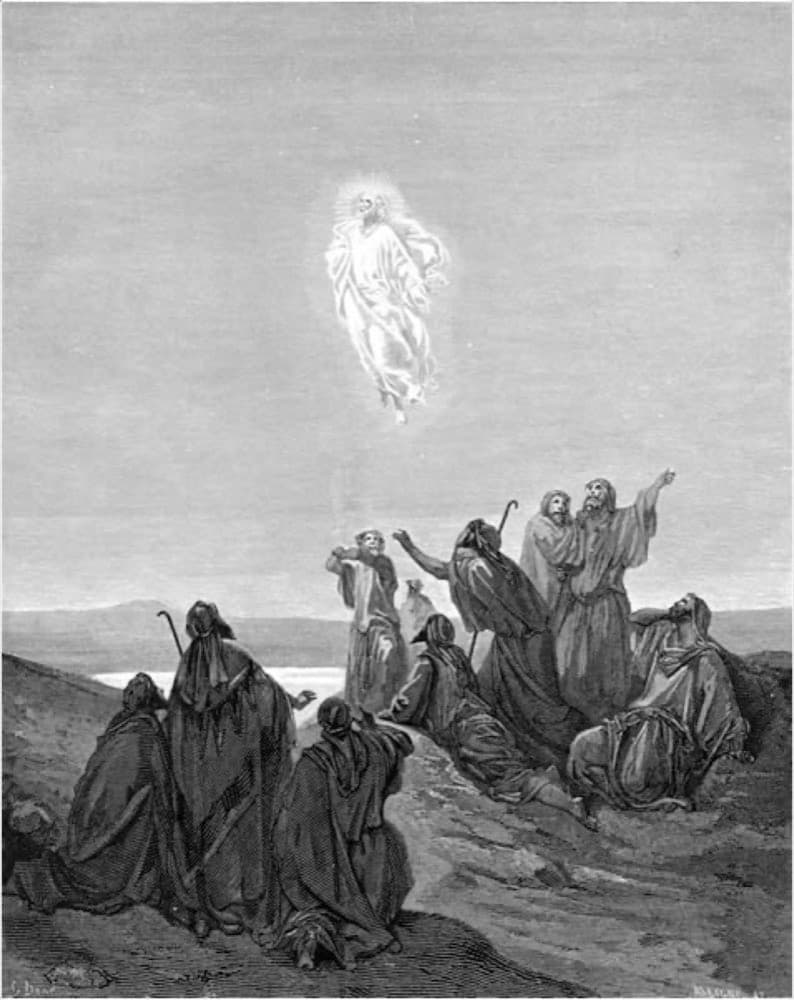
The Ascension
The destination, and the doctrine that makes it a family matter
Exaltation
Salvation and exaltation are not synonyms in Latter-day Saint usage. The first is nearly universal; the second is the highest degree of the celestial glory, conditional on the new and everlasting covenant — which is why exaltation is filed under family rather than under individual reward.
20 min2 sections
Salvation and exaltation
Sun, moon and stars — Paul's figures, given a doctrinal reading in the vision of February 1832.
| Salvation | Exaltation | |
|---|---|---|
| Who receives it | Nearly everyone — resurrection and a kingdom of glory | Those who receive the ordinances and keep the covenants |
| What it is | Rescue from death and hell | The highest degree of the celestial glory; eternal life |
| Conditions | Christ's atonement, universally applied | Faith, repentance, ordinances, and enduring in the covenant |
| Key texts | 1 Corinthians 15:22; D&C 76:43 | D&C 131:1–4; D&C 132:19–20; Moses 1:39 |
1In the celestial glory there are three heavens or degrees;
2And in order to obtain the highest, a man must enter into this order of the priesthood [meaning the new and everlasting covenant of marriage];
3And if he does not, he cannot obtain it.
4He may enter into the other, but that is the end of his kingdom; he cannot have an increase.
Why it is a family doctrine
Latter-day Saint soteriology does not permit a person to be exalted alone. D&C 128:15 states it structurally — 'they without us cannot be made perfect, neither can we without our dead' — and D&C 131 makes the highest degree conditional on a covenant that by definition involves another person. Whatever exaltation is, it is not a solitary achievement.
Principle
Exaltation is the highest degree of the celestial glory, conditional on covenant, and it is by design not achievable alone.
What this topic holds
Salvation is nearly universal; exaltation is conditional on the ordinances and covenants.
Check your reading
3 questions01What is the difference between salvation and exaltation in Latter-day Saint usage?
02Why is exaltation described as a family doctrine?
03What does D&C 137:9 add to the criteria of judgment?
Where to go next
Sources
- Gospel Topics, "Exaltation"
- D&C 76; D&C 131; D&C 132; D&C 137 — The primary texts.