Topics / Restoration
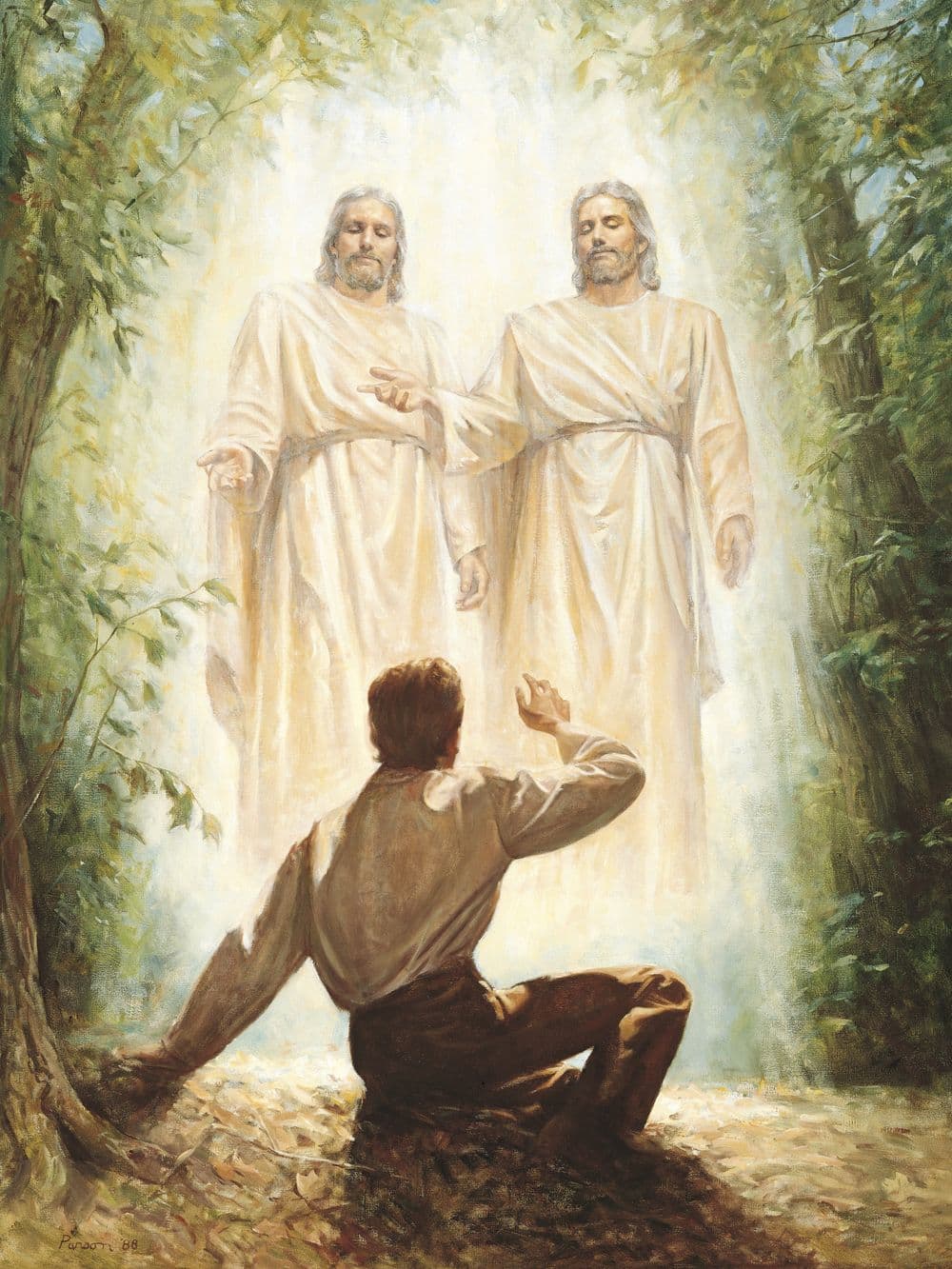
The First Vision · JS—H 1:14–20
Restitution, not reformation
The Restoration
The claim is not that the Christian world went wrong in some particulars and needed correcting, but that authority was lost and had to be given back by the people who held it. Everything distinctive about the Church follows from that distinction.
22 min2 sections
What was lost
Cross-references
- Amos 8:11–12A famine of hearing the words of the Lord — the apostasy diagnosed as an absence of revelation rather than a collapse of institutions.
- 2 Thessalonians 2:1–3Paul, in the earliest layer of the New Testament, expecting a falling away before the return. Apostasia means a defection or departure.
- Isaiah 24:5'They have transgressed the laws, changed the ordinance, broken the everlasting covenant.'
- Acts 20:29–30Paul warns the Ephesian elders that grievous wolves will enter, and that men from among themselves will draw disciples away.
- Galatians 1:6Written within about twenty years of the Crucifixion: 'I marvel that ye are so soon removed.'
What was restored
21Whom the heaven must receive until the times of restitution of all things, which God hath spoken by the mouth of all his holy prophets since the world began.
King James renders it “restitution”
Peter's word is a technical one, used of restoring something to a former state — a dislocated joint set back, a political order re-established. It is the difference between repairing a building and rebuilding it to the original plan.
Full lexicon entry →
| Restored | When | By whom |
|---|---|---|
| The knowledge of God's nature | Spring 1820 | The Father and the Son |
| Additional scripture | 1827–1830 | Moroni, and the gift and power of God |
| The Aaronic Priesthood | 15 May 1829 | John the Baptist |
| The Melchizedek Priesthood | May or June 1829 | Peter, James and John |
| The Church, organised | 6 April 1830 | By revelation, D&C 20–21 |
| Keys of gathering, Abrahamic covenant, sealing | 3 April 1836 | Moses, Elias, Elijah |
Principle
The Restoration's distinguishing claim is conferred authority, delivered by named persons on datable days — which is a checkable claim rather than a general one.
What this topic holds
The apostasy is described in scripture as a loss of revelation and authority, foreseen by the apostles themselves.
What was restored was restored by ministration, not by study or by reform.
Check your reading
3 questions01What does the Greek apokatastasis mean?
02How does Amos describe the apostasy?
03What does the Restoration claim was missing between the apostles and 1820?
Where to go next
Sources