Topics / Atonement
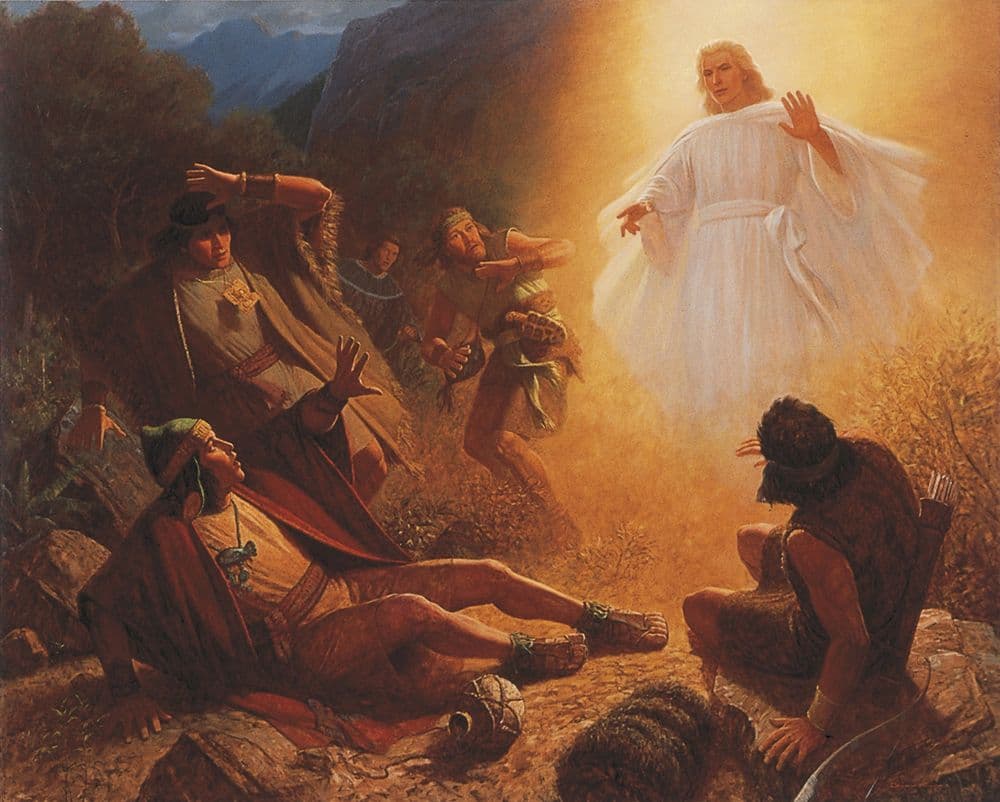
Conversion of Alma the Younger · Mosiah 27:8–37
The change that outlasts the moment
Conversion
Scripture distinguishes a testimony from a conversion, and describes the second as a change in what a person wants rather than in what they believe. The Book of Mormon's accounts are unusually specific about the mechanism.
20 min2 sections
What changes
2And they all cried with one voice, saying: Yea, we believe all the words which thou hast spoken unto us; and also, we know of their surety and truth, because of the Spirit of the Lord Omnipotent, which has wrought a mighty change in us, or in our hearts, that we have no more disposition to do evil, but to do good continually.
The change described is in disposition — what they want — rather than in what they know. That is the line between a testimony and a conversion: one is a conviction about facts, the other is an alteration in appetite. Alma 5:14 asks the diagnostic question in the same terms: 'have ye experienced this mighty change in your hearts?'
King James renders it “be converted; turn”
Luke 22:32 — 'when thou art converted, strengthen thy brethren' — is said to Peter, an apostle who had already left everything to follow Christ. Whatever conversion means, it is not the same as joining, and Peter had not finished it yet.
Full lexicon entry →
Keeping it
26And now behold, I say unto you, my brethren, if ye have experienced a change of heart, and if ye have felt to sing the song of redeeming love, I would ask, can ye feel so now?
Alma's question assumes that the change can fade, and asks about the present tense rather than the past. 4 Nephi records a whole civilisation converting and then, over two centuries, losing it — which is the longest-form illustration in scripture that conversion is a state to be maintained rather than an event to be recalled.
Principle
Conversion is a change in what a person wants, which is why it can be lost while the beliefs remain intact.
What this topic holds
A testimony is a conviction about truth; conversion is a change in disposition.
The change is wrought by the Spirit rather than manufactured, and it is maintained rather than completed.
Check your reading
3 questions01What changed in King Benjamin's people?
02What is notable about Luke 22:32?
03What does Alma's question in Alma 5:26 assume?
Where to go next
Sources
- Gospel Topics, "Conversion"
- Mosiah 5; Alma 5; 4 Nephi — The primary texts.